hundreds displaced after terror attacks in southwest Niger
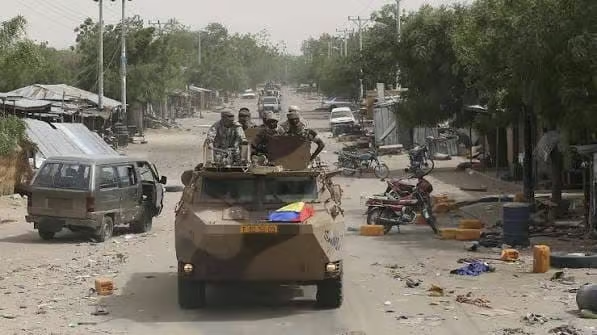 Photo illustration © DR
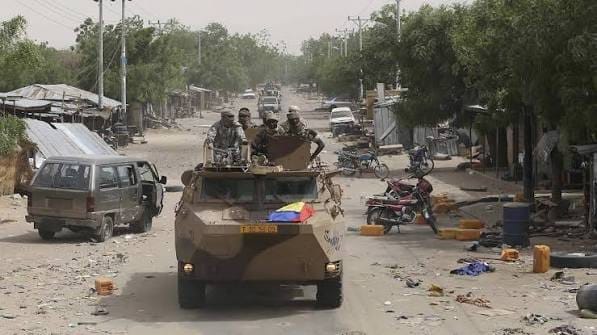
In mid-July, coordinated terror attacks struck multiple villages in Niger’s southwest, forcing hundreds of residents to flee their homes. The assaults, unprecedented in the Dosso region—near the borders with Nigeria and Bénin—mark a disturbing escalation in violence that has gripped the area since 2025.
Security analysts attribute these attacks to affiliates of Al-Qaïda and the Islamic State operating across the Sahel. The violence has intensified along Niger’s western frontier, transforming once-quiet border communities into contested zones.
Survivors, captured in state television footage, recount desperate escapes to neighboring Tahoua, close to the Nigerian border. Others sought refuge in Dogondoutchi, roughly 100 kilometers from Loga. These displacements add to a growing humanitarian crisis unfolding across Niger’s most volatile regions.
Over 450,000 internally displaced persons in Niger
United Nations data from 2025 reveals that Niger hosts more than 450,000 internally displaced persons (IDPs), with the majority concentrated in three conflict-affected regions: Tillabéri (west), Diffa (southeast), and Tahoua (central-east). Tillabéri alone accounts for 48% of this displaced population, bordering both Burkina Faso and Mali.
The crisis deepened on July 17 when terrorists ambushed a military detachment in western Niger, killing 16 soldiers and injuring 23 others. Authorities reported eliminating 15 attackers in the clash, underscoring the relentless threat facing the country’s security forces.
For over a decade, Niger has been a primary target of deadly extremist campaigns. Both the Islamic State in the Sahel and the Jama’at Nusrat al-Islam wal-Muslimin (JNIM), linked to Al-Qaïda, have carried out systematic attacks, destabilizing communities and displacing thousands.