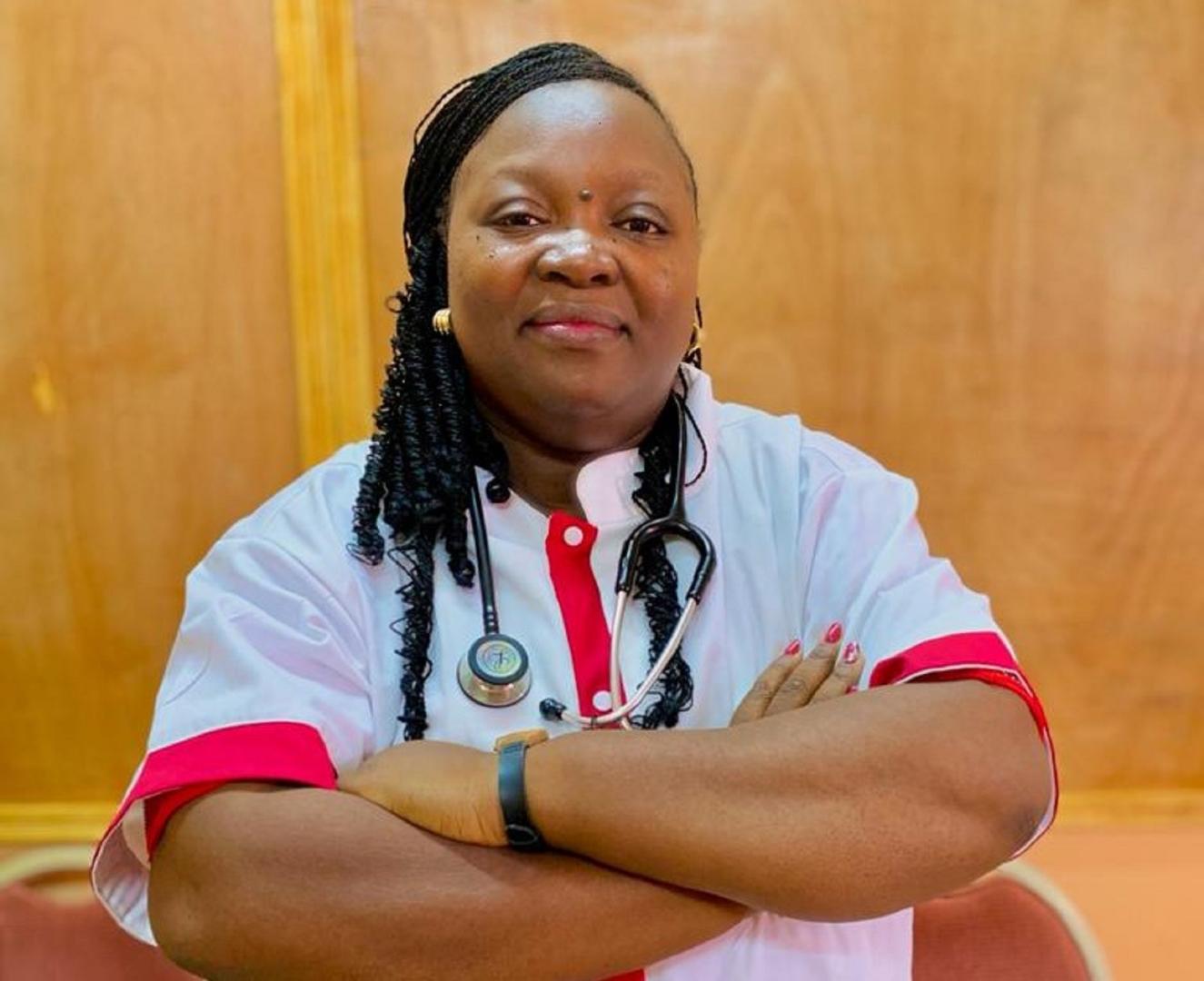
In Burkina Faso, the impact of sickle cell disease is a significant public health concern. With a prevalence rate of 4.63% and nearly 2% of infants born with the severe SS form, the nation faces a challenge that requires a unified, multi-sector response. At the heart of this struggle is Dr. Gloria Damoaliga Berges, Vice-President of the CID/B (Centre d’Initiative contre la Drépanocytose au Burkina Faso), who has dedicated the last decade to advocating for those affected.
A personal mission born from medical practice
For Dr. Berges, the fight against sickle cell disease is deeply personal. As a young physician, she often felt powerless witnessing the agonizing pain of her young patients. This empathy fueled her determination. A major turning point occurred in 2015 when she helped establish a specialized care unit within her hospital, marking the start of her intensified commitment to the cause.
Breaking the cycle of hereditary transmission
Sickle cell disease is an inherited condition. When both parents carry the S hemoglobin gene, there is a 25% chance during each pregnancy that the child will be born with a major sickle cell syndrome. Dr. Berges emphasizes that many couples remain unaware of their status because pre-marital screening is often overlooked. Promoting hemoglobin electrophoresis testing before marriage or conception is vital to reducing new cases.
Community outreach and early diagnosis
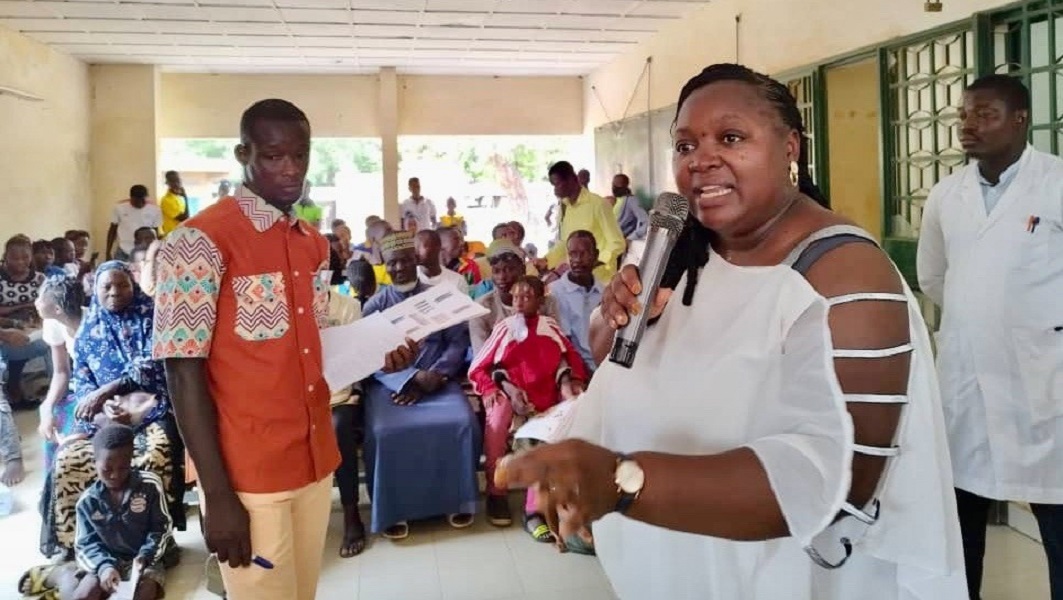
One of the biggest hurdles is the lack of information within local communities. To combat this, Dr. Berges leads awareness and screening initiatives. Between January and July 2024, she coordinated a massive campaign that screened approximately 15,000 children across five regions of Burkina Faso. These efforts are also essential for dismantling the social stigma that often surrounds the illness.
Other practical tools have been introduced to support families, including:
- The “Drépa Minute” toll-free hotline (80001350), providing information in local languages.
- Neonatal screening programs integrated into health facilities.
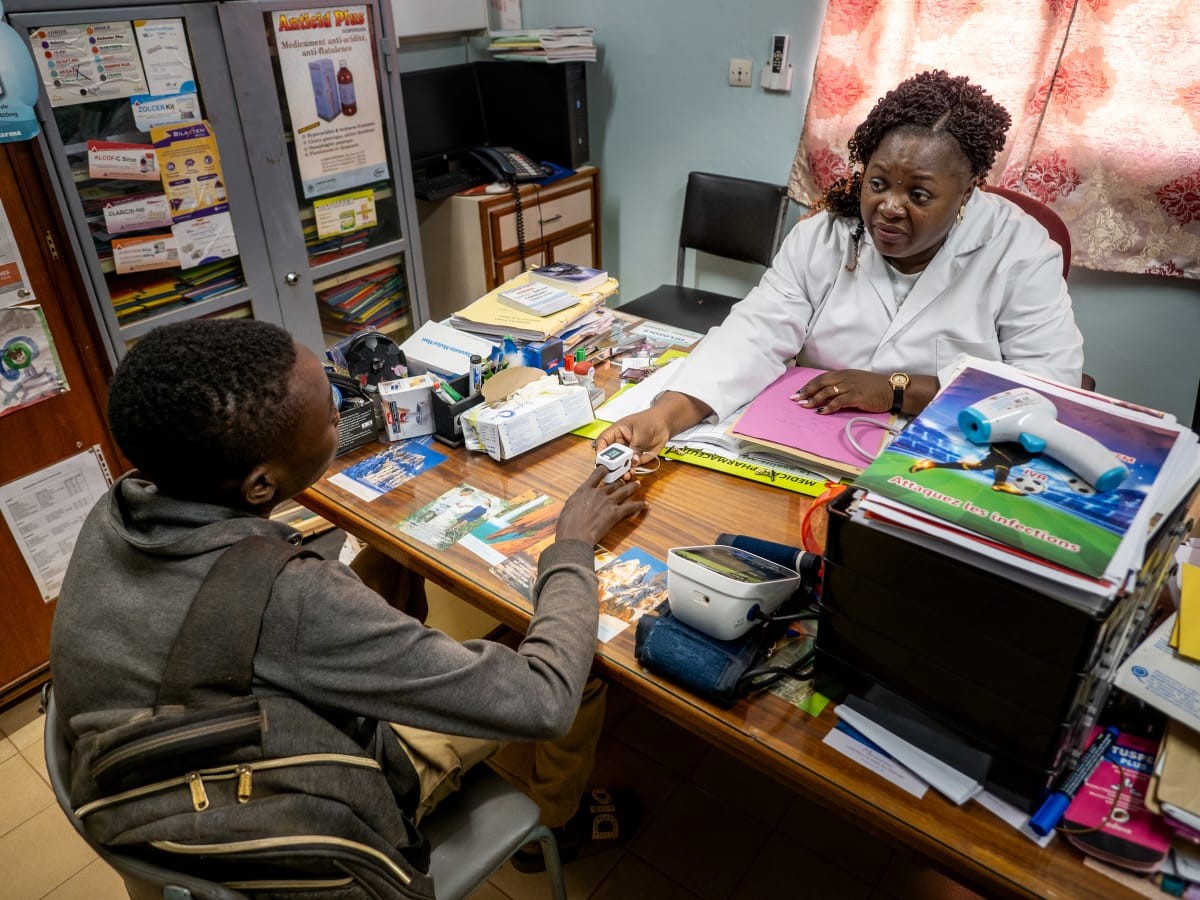
- Specialized training for healthcare workers on managing sickle cell-related pain.
A comprehensive approach to patient care
The CID/B works closely with the Ministry of Health and the DPCM (Direction de la prévention et du contrôle des maladies non transmissibles). Supported by partners like the French Development Agency (AFD), the Pierre Fabre Foundation, and the Principality of Monaco, the association offers a holistic support system. This includes medical treatment, psychological counseling, and socio-economic assistance, such as income-generating activities to help patients gain financial independence.
Furthermore, the CID/B advocates for the implementation of universal health insurance to ensure all members can access affordable care through health mutuals.
Changing perceptions and future challenges
Significant progress has been made. Sickle cell disease is no longer the overlooked “silent killer” it once was. Public health policies in Burkina Faso now include a dedicated strategic plan. Myths portraying the disease as a curse are being debunked by the reality of patients who, with proper care, live long, productive lives, start families, and excel in their careers.
However, Dr. Berges notes that several obstacles remain. There is an urgent need for better access to diagnostic tools in rural areas, consistent supplies of medications like hydroxyurea, and improved blood transfusion services. She remains steadfast in her mission, viewing the fight against sickle cell disease as a battle for both hope and human dignity.