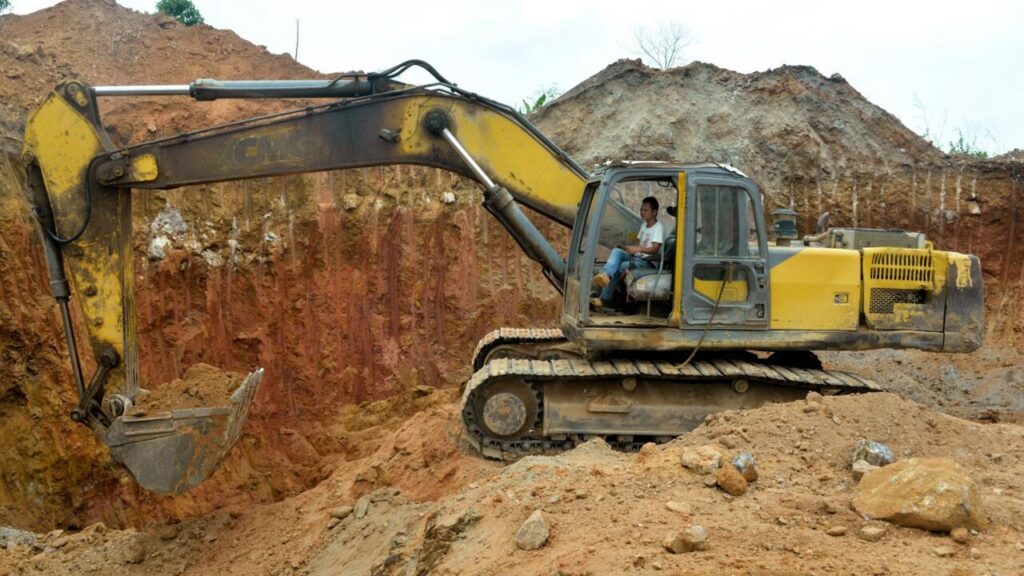
Gold extraction in Cameroon and the Democratic Republic of Congo continues to face systemic accountability gaps, with national and international operators failing to fully disclose revenue streams and production figures.
The latest findings from the Institute for Security Studies (ISS) reveal that despite ongoing reforms, the two countries are losing billions in potential state income from their thriving gold sectors. The initiative for transparency in extractive industries (ITIE) reported a striking discrepancy in Cameroon’s gold trade: while official records showed just 22 kilograms exported in 2023, import data from partner countries indicated purchases reaching 15 metric tons.
Where the money goes — or doesn’t
The ISS study highlights how weak regulatory oversight allows both domestic and foreign mining firms to operate with minimal transparency. Aïcha Pemboura, a researcher at the Observatoire du crime organisé et de la violence en Afrique centrale, points out that these gaps create fertile ground for illicit financial flows and undermine public trust in natural resource governance.
“Without stricter enforcement and public disclosure, the benefits of gold mining never reach the communities that need them most,” Pemboura explains. “This isn’t just an economic issue — it’s a governance failure.”
Industry voices call for change
Civil society groups and researchers are urging governments to:
- Strengthen oversight of artisanal and industrial mining operations
- Implement mandatory third-party audits of gold production and export data
- Enforce penalties for companies that fail to report accurate figures
- Create transparent revenue-sharing mechanisms with local communities
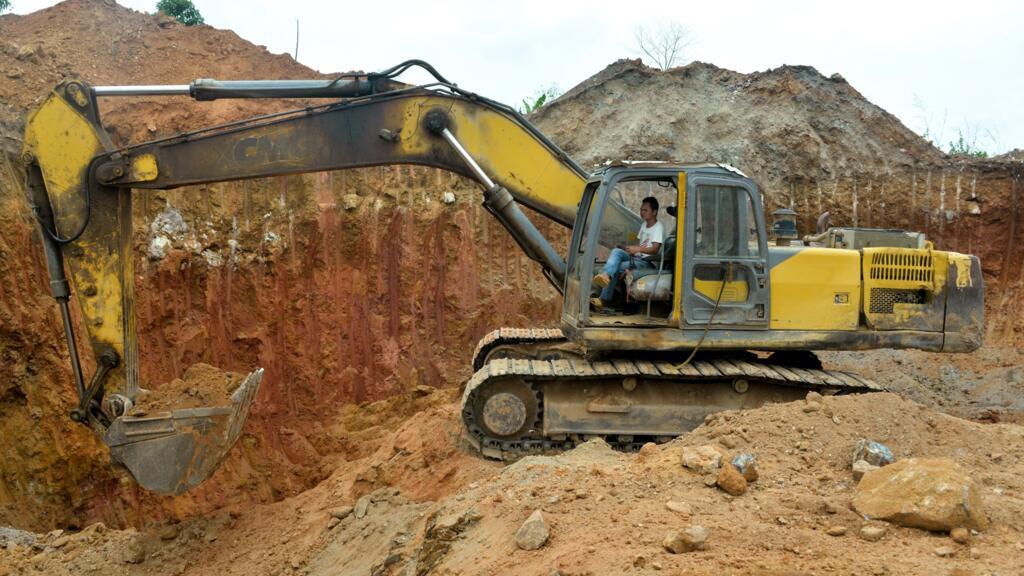
Meanwhile, in the Democratic Republic of Congo, similar challenges persist. Despite being Africa’s top gold producer by volume, DRC struggles to convert its mineral wealth into sustainable development. Experts warn that without urgent reforms, the country risks repeating the cycle of resource curse seen in other resource-rich African nations.
As mining operations expand across the region, the call for accountability grows louder. “The current system allows too many actors to operate in the shadows,” Pemboura notes. “It’s time to shine a light on every ounce of gold leaving these countries — and demand answers about where the money is going.”