The Gabonese poultry decision: a bold move testing food sovereignty at the UN
Libreville, September 24, 2026 — The rising tensions between Gabon and Washington over poultry imports extend far beyond frozen chicken. At its core lies a fundamental question: Can a nation assert control over a strategic sector while navigating the complexities of global trade rules? With the UN General Assembly in New York serving as a global stage, Gabon now faces a pivotal moment to defend its economic sovereignty and justify a policy that could redefine its agricultural future.
The dispute escalated as Washington filed a formal complaint with the World Trade Organization (WTO) against Gabon’s decision to ban poultry imports starting January 1, 2027. Libreville has responded with a robust legal and diplomatic strategy, framing the measure not as protectionism, but as a strategic step toward food self-reliance and domestic industrial development. The timing is deliberate: Gabon is seizing the international spotlight during the UN’s high-level assembly to articulate a vision that transcends mere import substitution.
The stakes are clear. The poultry sector is far more than a dietary preference — it is a litmus test for Gabon’s ability to build a resilient, diversified economy. For years, the country has relied heavily on imported chicken, with poultry imports valued at $97.7 million in 2021 alone. Recognizing the vulnerability of such dependency, Gabon launched the PRODIAG program to boost local poultry farming. Now, the 2027 import ban represents more than a policy shift — it is a turning point in transforming rhetoric into reality.
A clash of trade rules and national development goals
The current clash between Gabon and its trading partners reveals a deeper tension between international trade obligations and national development priorities. Gabon’s WTO membership since 1995 grants it rights to regulate its market, but also imposes obligations to respect fair trade principles. While Libreville argues that protecting local poultry farmers is essential for economic stability, Washington contends that such restrictions violate trade norms.
This is not a simple dispute over chicken. It is a test of whether multilateral institutions can accommodate policies that prioritize domestic resilience without undermining the integrity of global trade. Gabon’s position will hinge on its ability to demonstrate that its actions are not arbitrary, but grounded in a coherent, transparent, and sustainable national development strategy.
The WTO’s role becomes central here. While diplomacy unfolds in New York, the legal battle will be waged in Geneva. The Gabonese government is preparing a detailed defense, aiming to show that its import restrictions are part of a broader vision to nurture a competitive local industry capable of meeting domestic demand, ensuring food security, and creating jobs. The question is no longer whether to engage in global trade, but how to do so on terms that protect national interests while remaining compliant with international law.
From import ban to economic transformation: the challenge ahead
Banning imports alone will not make poultry farming in Gabon competitive. The real challenge lies in building an entire ecosystem: from hatcheries to feed production, from veterinary services to cold chain logistics, and from fair pricing to stable consumer access. Without these foundations, the policy risks backfiring — turning shortages into price surges, or shifting the burden from foreign suppliers to local consumers.
Yet, when fully realized, such a transformation could do more than protect the market — it could redefine it. Local poultry production could shift spending from imports to domestic income, generate employment across rural areas, attract investment, and strengthen food security. The goal is not isolation, but resilience. Gabon is not turning its back on global trade; it is seeking to reduce its exposure to external shocks and build a food system that can withstand global uncertainty.
New York as a platform, not a solution
The United Nations General Assembly offers Gabon a powerful platform to articulate its vision and rally international support. The theme of the 81st session — restoring trust and managing transformation — aligns closely with Gabon’s narrative of self-determination and sustainable development. By positioning its poultry policy within this global conversation, Libreville can underscore the link between food sovereignty, economic autonomy, and social stability.
But diplomacy alone cannot resolve the matter. The WTO’s dispute settlement process remains the only avenue to assess whether Gabon’s measures comply with global trade rules. A strong case requires more than political will — it requires data, economic modeling, legal precision, and a clear roadmap showing how the poultry sector will evolve by 2027 and beyond.
For Gabon, the January 1 deadline is not just a regulatory date — it is a commitment to action. The country is no longer debating whether to protect its poultry industry; it is proving that it can. In doing so, Gabon is charting a path not only for itself, but for other African nations seeking to balance trade and sovereignty in the 21st century.
The outcome of this case will echo far beyond Libreville. It will signal whether a nation can assert its economic future while respecting the rules of the global system. For now, Gabon is not asking for permission. It is making a statement: that food sovereignty is not a luxury — it is a foundation for lasting development.
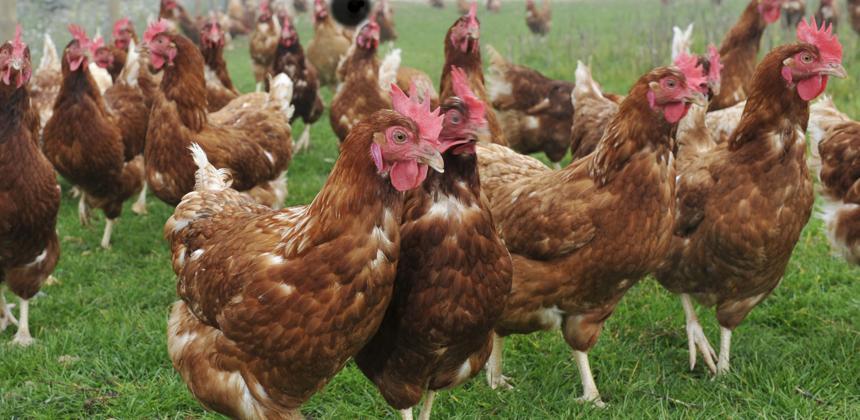
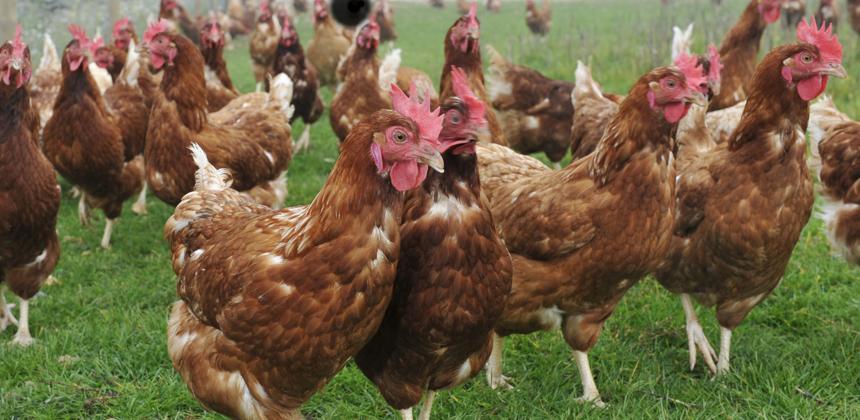
Image: A poultry farm in Gabon — the heart of a strategy to reduce import dependency and build local resilience.