Gabon renames historic military camp to assert sovereignty
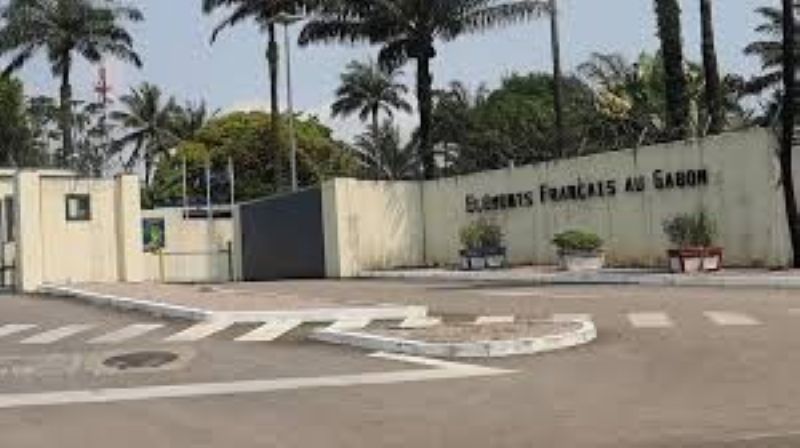
Libreville, June 3, 2026 — A decision that transcends mere administrative formality is reshaping Gabon’s military landscape. The upcoming renaming of the Camp de Gaulle, once a symbol of French military presence in Gabon, marks the beginning of a new chapter in the nation’s relationship with its past and future strategic priorities.
The announcement, made by President Brice Clotaire Oligui Nguema, carries implications far beyond the symbolic gesture of changing a name. It reflects Gabon’s evolving stance on national sovereignty, historical memory, and international partnerships in 2026.
End of an era for military cooperation
For decades, the Camp de Gaulle served as a cornerstone of French military engagement in Central Africa. Its establishment was part of a broader post-independence security framework where France maintained regional bases to support stability. Yet the geopolitical landscape of 2026 demands a different approach.
Across Africa, debates over national sovereignty, control of strategic infrastructure, and the reappropriation of historical narratives have gained momentum. Gabon’s decision to rename the camp signals the conclusion of a historical chapter while avoiding abrupt diplomatic ruptures.
A contrasting path from regional neighbors
The President emphasized Gabon’s distinct trajectory compared to neighboring countries. Unlike withdrawals seen in the Sahel—Mali, Burkina Faso, and Niger—Gabon’s transition unfolded through dialogue and cooperation. No diplomatic crises accompanied this evolution.
Military cooperation persists, albeit in a transformed structure. France’s permanent presence has been scaled down to a reduced contingent of around 100 trainers focused on specialized training. This shift aligns with a global trend where military partnerships prioritize skill transfer over foreign troop presence.
Shaping the security leaders of tomorrow
The camp’s new purpose underscores the significance of this transformation. Now repurposed as a training hub, it will serve Gabon’s defense and security forces while also hosting participants from other African nations. This regional ambition addresses pressing challenges in the Gulf of Guinea, including transnational threats and organized crime.
Sovereignty through historical redefinition
More than a military restructuring, the name change carries profound symbolic weight. The future center will bear the name of a Gabonese national hero, replacing a figure tied to colonial history. This choice reflects a deeper movement to reclaim national memory and define the narratives passed to future generations.
By selecting a Gabonese figure, the country asserts its commitment to crafting its own story while maintaining balanced ties with historical partners. This move does not signify rejection of France but rather the emergence of a new political maturity. Ultimately, it’s not just a camp’s name that changes—it’s the very concept of Gabonese sovereignty taking shape.