Gabon government under parliamentary spotlight as deputies challenge cabinet
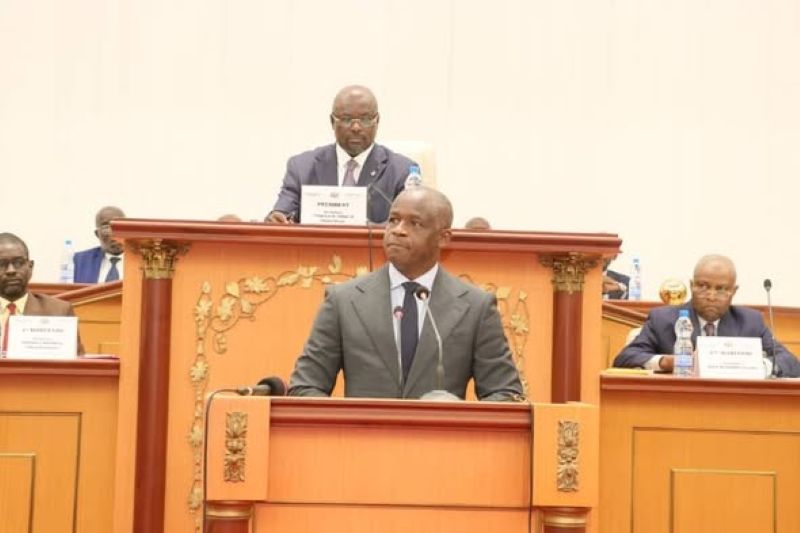
Libreville, June 3, 2026 — Gabon’s National Assembly has transformed into a platform where lawmakers hold the government accountable for pressing national issues, marking a pivotal moment in the 14th legislature.
Tuesday’s oral question session transcended routine parliamentary procedure, offering a rare public forum where deputies articulated the pressing concerns of Gabonese citizens. From purchasing power and healthcare to security, employment, and economic sovereignty, every major challenge facing the nation took center stage during the historic gathering at the Léon Mba Palace.
Under constitutional mandate, legislators posed nearly twenty pointed questions to government ministers, setting the stage for the upcoming Parliament Congress on June 15, where President Brice Clotaire Oligui Nguema will deliver his annual State of the Nation address.
Youth protection emerges as critical national priority
One of the most urgent debates centered on the alarming rise in drug abuse within schools. Addressing concerns raised by Sixth Vice-President Huguette Tsono, Vice-President Hermann Immongault acknowledged the severity of the issue while reaffirming the state’s commitment to safeguarding educational institutions. This challenge extends far beyond classroom walls—it threatens the very foundation of Gabon’s future economic and social stability.
A parallel discussion on national education revealed persistent public anxiety. When Deputy Dorland Chancely Olengué pressed for updates on ongoing reforms, Minister of State Camélia Ntoutoume-Leclercq emphasized steady progress aligned with government timelines. The exchange highlighted a fundamental reality: families demand rapid improvements, yet sustainable educational transformation requires sustained, long-term investment.
Economic sovereignty takes center stage in policy debates
The session also spotlighted Gabon’s economic direction, particularly the phased ban on imported chicken. Minister of Agriculture Pacôme Kossy framed the measure as a strategic move to build a robust domestic poultry sector capable of meeting national demand while generating employment opportunities.
This initiative reflects a broader government strategy to reduce food dependency and strengthen local production chains—a trend mirroring similar approaches across Africa where nations seek to capture greater value from their natural resources.
The mining sector’s future was similarly scrutinized. Minister of Mines Sosthène Nguema Nguema announced plans to prohibit raw manganese exports, positioning Gabon to retain higher-value processing within its borders. This policy shift signals a decisive break from traditional raw material export models, aligning with continental efforts to industrialize resource extraction.
Everyday struggles demand urgent solutions
Beyond macroeconomic policies, legislators confronted daily hardships facing ordinary citizens. The Interior Minister, Adrien Nguema Mba, faced tough questions regarding delays in national ID and passport issuance, particularly affecting remote communities where administrative access remains inconsistent.
Social welfare concerns also dominated discussions. Issues affecting retirees, CNAMGS beneficiaries, people with disabilities, and single mothers were brought before Social Affairs Minister Armande Longo épouse Moulengui, underscoring a harsh truth: economic growth alone cannot improve livelihoods without tangible improvements in social services.
Parliament reclaims its democratic oversight role
The session’s most significant outcome may be the National Assembly’s reassertion as a forum for public debate. By addressing topics spanning food security, industrial transformation, education, healthcare, and administrative governance, deputies reaffirmed their constitutional duty to oversee executive actions.
Closing remarks by National Assembly President Michel Régis Onanga Ndiaye underscored the session’s importance, framing it as a precursor to the upcoming Parliament Congress where progress on key reforms will be evaluated.
This inaugural oral question session of the 14th legislature serves as both a mirror and a catalyst. It reflects Gabon’s deep commitment to transformation while exposing the vast gap between ambition and immediate citizen needs. As the nation navigates economic sovereignty, state modernization, and quality-of-life improvements, the government’s credibility will hinge on delivering visible, tangible results in the coming months.