Gabon and Monaco forge green alliance for climate action
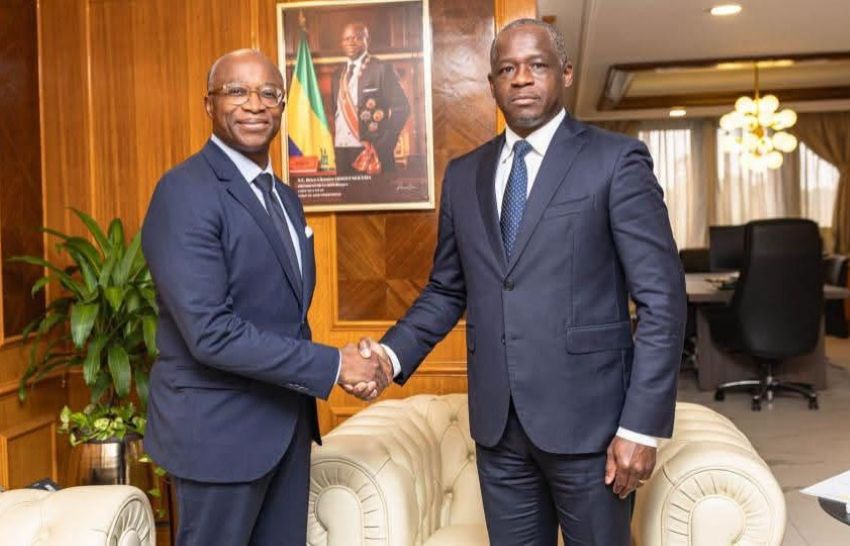
Libreville, August 9, 2026 — Gabon is positioning its natural wealth as a strategic asset in climate diplomacy and sustainable development. The August 5 meeting between Vice-President Hermann Immongault and a delegation from the Prince Albert II of Monaco Foundation marks a pivotal moment in this evolving approach.
The discussions, led by Charles Oula Siehe, Special Advisor for Africa at the Prince Albert II Foundation, focused on deepening environmental collaboration between the two nations. Key Gabonese figures including Maritime and Blue Economy Minister Aimé Martial Massamba were present, underscoring the breadth of national commitment to these initiatives.
Gabon’s unique ecological profile—boasting vast rainforests, marine ecosystems, and unparalleled biodiversity—makes it a critical player in global climate solutions. In an era where nature-based solutions are increasingly vital, the country’s natural capital represents both an environmental responsibility and a strategic opportunity to attract international investment.
Central Africa’s ecological powerhouse
The timing of this engagement is significant. The Prince Albert II Foundation approaches its 20th anniversary, with plans to expand operations in the Congo Basin—a region recognized as one of Earth’s most vital carbon sinks and biodiversity hotspots.
For Gabon, aligning international ambitions with national priorities could unlock transformative cooperation across several domains: forest conservation, marine protection, carbon financing mechanisms, and sustainable blue economy development. The latter presents particularly promising potential for a country with extensive maritime resources.
Economic blue initiatives must balance resource utilization with ecosystem preservation to deliver tangible benefits to local communities. Similarly, forest conservation efforts are evolving beyond mere protection toward creating value through transparent carbon financing systems that reward conservation efforts equitably.
From conservation to diplomatic leverage
This partnership signals Gabon’s shift from viewing environmental protection as a mere ecological obligation toward recognizing it as a cornerstone of international relations and national development. The challenge now lies in translating these high-level discussions into funded projects, knowledge transfer, job creation, and measurable ecosystem protection outcomes.
Both nations stand to gain significantly from this alignment. Monaco brings valuable expertise, global networks, and experience in mobilizing climate action, while Gabon offers a critical testing ground for conservation initiatives within the Congo Basin—an ecosystem whose preservation directly impacts global climate stability.
The August 5 meeting represents more than a diplomatic exchange; it embodies Gabon’s strategic challenge to monetize its natural capital intelligently. In a world where forests, oceans, and biodiversity are increasingly treated as strategic assets, Libreville must negotiate environmental partnerships with the same rigor applied to economic agreements.
The ultimate goal extends beyond securing international support for conservation—it’s about demonstrating the inherent value of what Gabon already protects. If successful, this collaboration could establish a new model of Gabonese diplomacy, where environmental stewardship becomes a powerful instrument of sovereignty and sustainable growth.