Gabon accelerates its legal overhaul with massive legislative approval
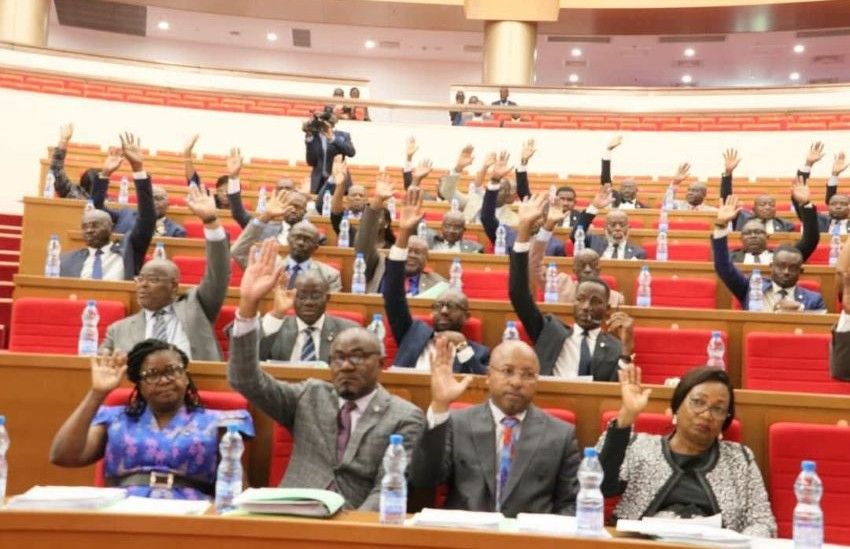
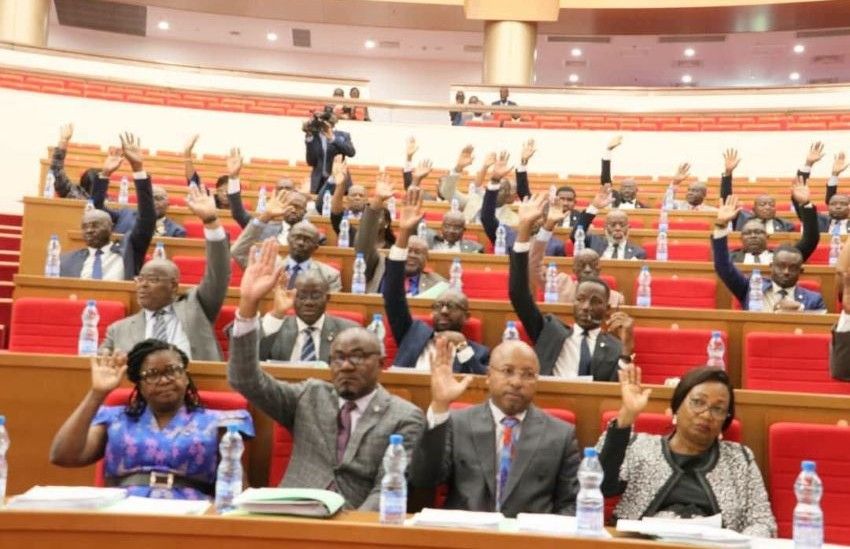
The legislative landscape in Libreville witnessed a historic shift as the National Assembly unanimously greenlit eighteen separate bills during a single, intensive plenary session.
This coordinated legislative action serves as a powerful political signal, underscoring the rapid pace of institutional transformation currently underway within the Fifth Republic. The approved texts cover a vast array of sectors, including digital technology, national identity, land rights, and media oversight, all aimed at modernizing the administrative and economic foundations of Gabon.
Presided over by Michel Régis Onanga M. Ndiaye at the Palais Léon-Mba, the session saw deputies meticulously examine and adopt the government’s comprehensive reform package. The sheer volume of legislation processed in one sitting highlights a rare level of parliamentary efficiency and a clear focus on updating the primary levers of national governance.
A new era of structural reforms
A standout feature of this legislative wave is the reform of the Haute Autorité de la Communication (HAC). This institution is set to take on a more robust role in an era where digital expansion and the rapid flow of information demand modern regulatory frameworks.
Furthermore, the Assembly formally ratified a new Nationality Code. In a global context where identity and national belonging are increasingly complex, this update provides the state with a modernized legal tool to manage these critical issues. Parallel to this, the ratification of land ownership regulations addresses a vital economic hurdle. By securing property rights, the government aims to foster an environment conducive to investment, structured urban growth, and sustainable wealth creation.
Strengthening the rule of law and economic appeal
The total consensus among deputies reflects a shared institutional commitment to reinforcing the rule of law through a contemporary legal framework. There is a clear convergence between the executive and legislative branches on the necessity of aligning national laws with current technological, social, and economic realities.
This legislative momentum is also a bid for international competitiveness. As global investors prioritize regulatory clarity and legal safety, Gabon is positioning itself as an attractive destination by refining its normative arsenal. The quality of national institutions is increasingly viewed as a deciding factor for foreign partnerships, and these reforms are designed to meet those high standards.
Government representatives present during the session commended the deputies for their sense of responsibility and the depth of the parliamentary debates. This collaboration highlights a unified approach to the structural changes that have been in development for several years.
From legislation to application
While the passage of these eighteen bills is a landmark achievement, the focus must now transition to the implementation phase. The ultimate success of these reforms will be measured by how effectively administrative bodies and the judiciary can apply them on the ground.
As the current ordinary session nears its end, another eight bills are still being scrutinized by parliamentary committees. Their eventual adoption will further solidify a legal structure that has already been significantly bolstered. This period marks a decisive turning point for Gabon, where legal modernization is being utilized as a primary engine for administrative and social evolution.