European Union prioritizes disinformation narrative over Morocco criticism in Ceuta border crisis
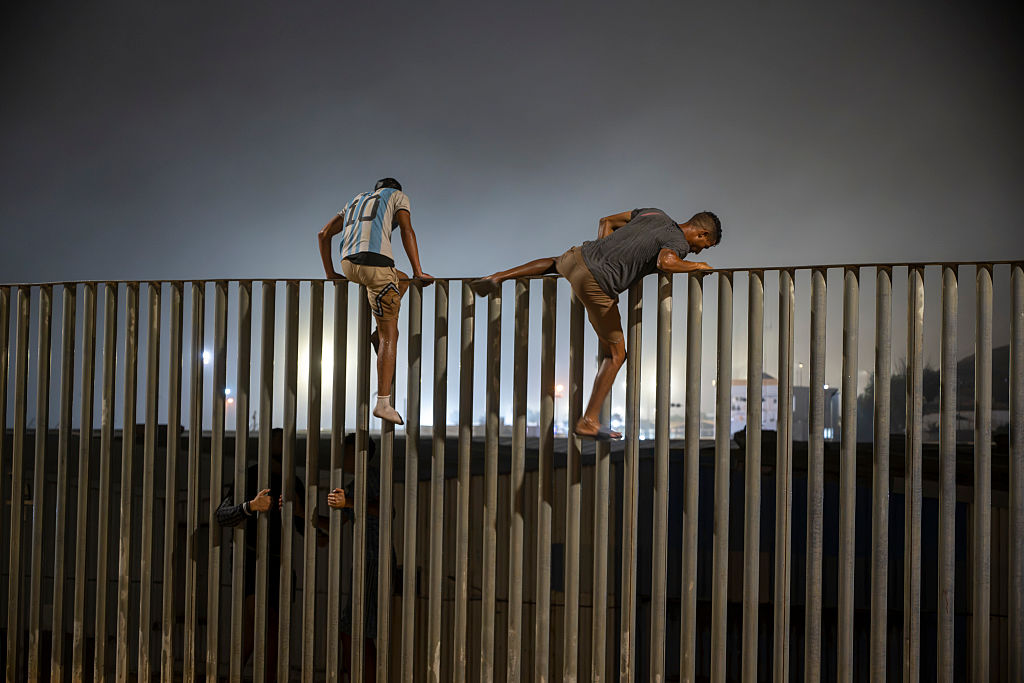
In a strategic move during a critical moment, Spain urged European allies to refrain from publicly condemning Morocco over the sudden influx of migrants into Ceuta, a Spanish enclave in North Africa. The request came during an emergency videoconference of EU interior ministers, where participants sought clarity on how over 72,000 individuals crossed the border in an unusually short timeframe.
The Spanish government’s appeal underscores the delicate balance the European Union maintains with Morocco, a key partner in managing migration flows toward Europe. Beyond migration control, Rabat has long served as a crucial ally in counterterrorism efforts and intelligence sharing with Brussels.
Spain avoids direct criticism of Morocco despite pressure
During a press briefing, Fernando Grande-Marlaska, Spain’s Interior Minister, adopted a neutral stance, asserting that assigning blame would not resolve the situation. While avoiding direct accusations against Morocco, the minister hinted at broader challenges when questioned about responsibility for the crisis.
Western diplomatic sources privately suggested Morocco may have tacitly permitted the surge as a political signal to Madrid. The sudden movement of such a large number of people followed misleading social media claims about a Spanish Supreme Court ruling that allegedly barred immediate forced returns of irregular migrants arriving by sea to Ceuta and Melilla.
EU leaders divided on Morocco’s role in Ceuta crisis
Friedrich Merz, Germany’s Chancellor, took a firm stance by calling on Morocco to take responsibility and facilitate the return of migrants. However, other EU leaders remained cautious, refraining from explicitly addressing Rabat’s accountability, despite widespread speculation from analysts and media reports about how such a large-scale crossing could occur without at least a temporary relaxation of Morocco’s normally stringent border controls.
Ursula von der Leyen, President of the European Commission, reiterated the principle that migrants should not be used as political leverage against the EU—without directly naming Morocco. She also floated the idea of increased financial support to Rabat, signaling a potential deepening of EU-Morocco relations.
Disinformation takes center stage in European response
Rather than confronting its key partners, the EU’s response pivoted toward combating misinformation and highlighting the role of smugglers. This approach aligns with Morocco’s public messaging. Rachid Khalfi, spokesperson for Morocco’s Interior Ministry, blamed the situation on the “exploitation of digital space,” which falsely portrayed entry into Europe via Ceuta as effortless and consequence-free.
The Moroccan government also criticized Spain’s judicial decision, suggesting Madrid should have anticipated the consequences of its ruling, which fueled speculation on social media.
Magnus Brunner, the EU Commissioner for Migration, announced on Tuesday that Europol is investigating potential disinformation campaigns linked to the crisis. EU ambassadors and ministers discussed the role of misinformation this week, emphasizing the need for improved intelligence sharing.
The European External Action Service is examining whether Russian actors attempted to exploit the event on social media for political purposes. Meanwhile, Frontex, the EU’s border agency, is considering broadening its mandate in an upcoming review by the European Commission to include monitoring disinformation on social platforms.
Despite growing concerns, no independent studies or investigations have yet confirmed a coordinated campaign prior to last week’s events.