Ebola outbreak in DRC surpasses 2,000 fatalities amid ongoing crisis
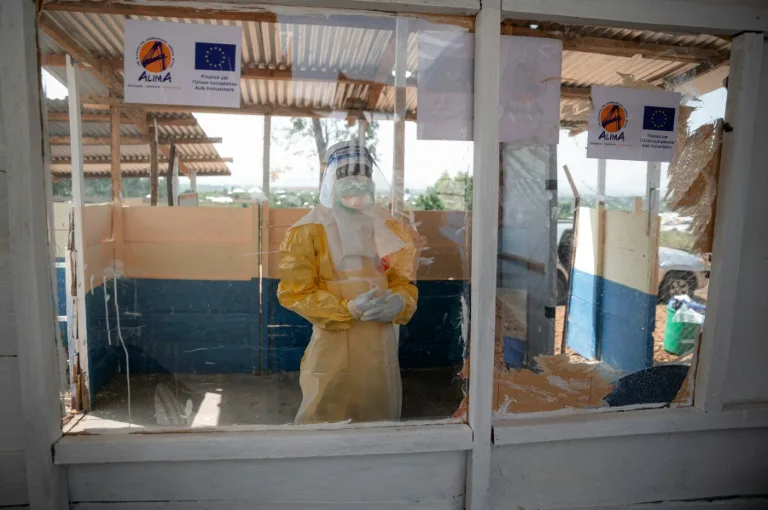
The Ebola epidemic in the Democratic Republic of Congo (DRC) has now claimed over 2,000 lives, marking a grim milestone as health officials warn the outbreak could soon surpass the deadliest on record. Health authorities confirmed 4,381 cases with a 45.9% fatality rate, including 2,011 deaths, according to the latest government update.
This 17th Ebola outbreak in the DRC, declared on May 15, has already surpassed earlier projections, with health experts cautioning it may become the largest ever recorded globally. The previous deadliest outbreak in the country, between 2018 and 2020, resulted in nearly 2,300 deaths out of 3,500 reported cases.
Authorities acknowledge the situation remains far from under control. Samuel Roger Kamba, the Congolese Health Minister, stressed in a statement that “the peak has not yet been reached”. He projected a potential turning point in the coming months, estimating that “within three months, we expect to control the spread and see a decline in cases”.
The response effort faces significant hurdles, particularly in regions plagued by armed conflict. Mohamed Yakub Janabi, the World Health Organization (WHO)‘s Regional Director for Africa, highlighted a critical gap in containment: “Only 30% of cases are being detected, while 70% are dying at home”. This alarming trend underscores the challenges posed by community mistrust and insecurity, which hinder health workers’ access to affected populations.
In response to the crisis, WHO experts have endorsed testing the Ervebo vaccine—the only approved Ebola vaccine—in clinical trials to address the Bundibugyo variant currently circulating in the DRC. The WHO Director-General hailed recent progress as “encouraging news”, noting that existing safety data allows for expedited Phase 3 trials. The global Ebola vaccine stockpile, managed by Gavi and funded by international donors, includes approximately 500,000 doses of Ervebo, with some already stored in the DRC due to recurring outbreaks.
Further bolstering the response, Canada has approved the launch of clinical trials for Moderna’s experimental Bundibugyo vaccine. Additionally, two other vaccine candidates are in development: the rVSV Bundibugyo vaccine, developed by Hilleman Laboratories and deemed the most promising by WHO, and a vaccine from Oxford University, which administered its first dose to a volunteer in late July.
The United States has pledged over $242 million in additional funding to combat the outbreak, bringing renewed urgency to international efforts. Ebola, transmitted through contact with bodily fluids, causes severe hemorrhagic fever and has claimed over 15,000 lives in Africa over the past five decades.