The Ebola outbreak in the Democratic Republic of Congo (DRC) has escalated sharply, with over 3,000 confirmed cases and nearly 1,500 deaths reported in the latest official figures. Humanitarian organizations are warning of the epidemic’s rapid, exponential spread, which is doubling every 20 days—a pace far outstripping the current response efforts.
Julien Harneis, the United Nations’ lead coordinator for Ebola response in the DRC, emphasized the urgency of the situation. “The virus is moving faster than we can contain it,” he stated during a press briefing, underscoring the critical need for accelerated intervention to curb transmission.
Open Borders, Critical for Containment
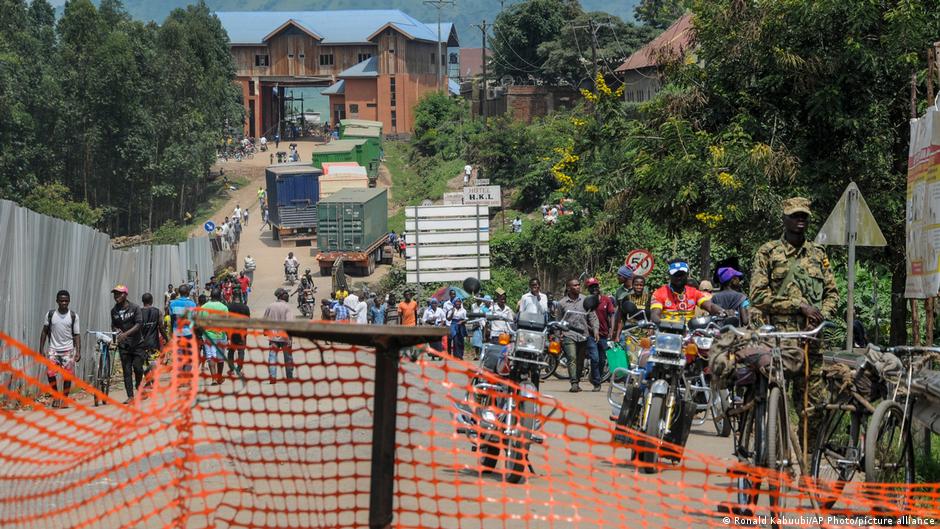
In response to the crisis, several neighboring countries—including Rwanda—initially imposed strict border restrictions, even closing land crossings into the DRC. While Rwanda later reopened its borders under strict health protocols, such as mandatory handwashing and temperature checks, the initial closures highlighted a growing tension between public health safety and the necessity of uninterrupted humanitarian aid.
The DRC shares porous borders with multiple nations, including Uganda, which also temporarily suspended cross-border movements. Exceptions were made for humanitarian aid, security personnel, and essential cargo to ensure critical supplies could still reach affected regions. Beyond Africa, countries like Canada enforced travel bans on individuals who had recently visited the DRC, reflecting global concerns over the virus’s international spread.
United Nations officials stress that maintaining open borders is vital for several reasons. First, it facilitates the swift delivery of medical supplies, including vaccines and protective equipment. Second, it allows health workers and emergency teams to deploy without delay. Most importantly, unrestricted cross-border movement prevents displaced populations from resorting to unmonitored routes, which could undermine surveillance and containment efforts.
Ebola Exacerbates Food Insecurity in Crisis Zones
The World Food Programme (WFP) describes the Ebola outbreak as “a crisis layered atop another crisis,” particularly in the DRC’s Ituri province—the epicenter of the epidemic. Nearly two million people in the region now face acute food shortages, with over 628,000 in emergency conditions. The situation disproportionately affects women, children, and pregnant individuals, who are often the most vulnerable when food supplies dwindle.
Butoto Bigiri Naum, director of the Congolese NGO Action for Development and Community Welfare (UGEAFI), explains the ripple effects of the epidemic: “Families are forced to care for sick relatives themselves when humanitarian aid falls short, stretching already scarce resources thin. Food prices have skyrocketed due to disrupted supply chains, making it nearly impossible for households to afford basic nutrition.”
The ripple effects extend to agriculture. Farmers, gripped by fear of contagion and labor shortages, are abandoning their fields, threatening future harvests and deepening food insecurity. The WFP has stepped in to provide emergency food assistance not only to Ebola patients and their contacts but also to frontline responders and households struggling to meet basic needs.
This support serves a dual purpose: it helps families adhere to quarantine measures while easing the burden of food scarcity. Additionally, by reducing the need for people to travel in search of sustenance, the aid minimizes population movement—a key driver of virus transmission.
The WFP’s interventions also aim to create a more conducive environment for health workers to operate. By addressing immediate hunger, the organization fosters trust within communities, making it easier to implement public health measures and curb the spread of Ebola.