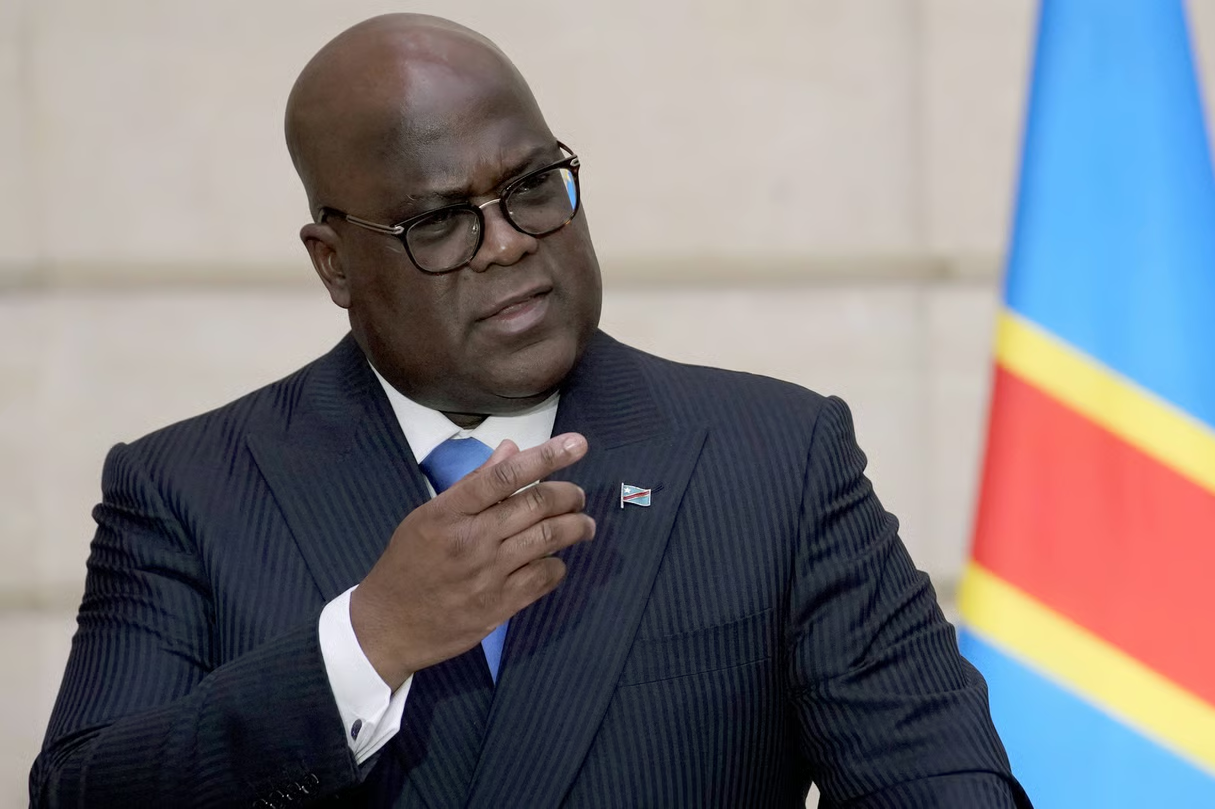
The Democratic Republic of the Congo’s constitutional referendum proposal has been formally forwarded to Parliament, placing President Félix Tshisekedi in a pivotal position to steer its legislative journey. This strategic move marks a significant step in reshaping the nation’s foundational laws, with the head of state positioned to influence the outcome decisively.
Parliament’s role in shaping constitutional changes
The referendum bill now awaits debate and approval within the Congolese Parliament, where lawmakers will scrutinize its provisions before potentially advancing it to a national vote. The legislative body’s involvement is critical, as amendments or rejections could alter the bill’s trajectory.
Debates are expected to focus on key amendments proposed in the referendum, including potential shifts in term limits, electoral reforms, and institutional restructuring. The Parliament’s approval would signal strong backing for Tshisekedi’s vision, while rejection could force a renegotiation of the proposals.
Tshisekedi’s strategic positioning
By steering the referendum bill through Parliament, President Tshisekedi demonstrates his ability to consolidate political control while advancing his policy agenda. The move underscores his administration’s determination to implement structural reforms, even as critics raise concerns over the pace and transparency of the process.
Observers note that Tshisekedi’s political maneuvering reflects broader efforts to strengthen his leadership ahead of upcoming elections. The successful passage of the referendum could solidify his influence and reshape the DRC’s governance framework for years to come.
A controversial yet consequential step
While supporters argue that the reforms are necessary for modernization and stability, opposition voices warn of potential risks, including centralization of power and erosion of democratic checks. The debate over the referendum’s merits is likely to intensify as Parliament reviews the bill.
As the legislative process unfolds, all eyes remain on Kinshasa, where the outcome of this referendum could redefine the Democratic Republic of the Congo’s political landscape.