diplomatic thaw between Mali and Algeria gains momentum
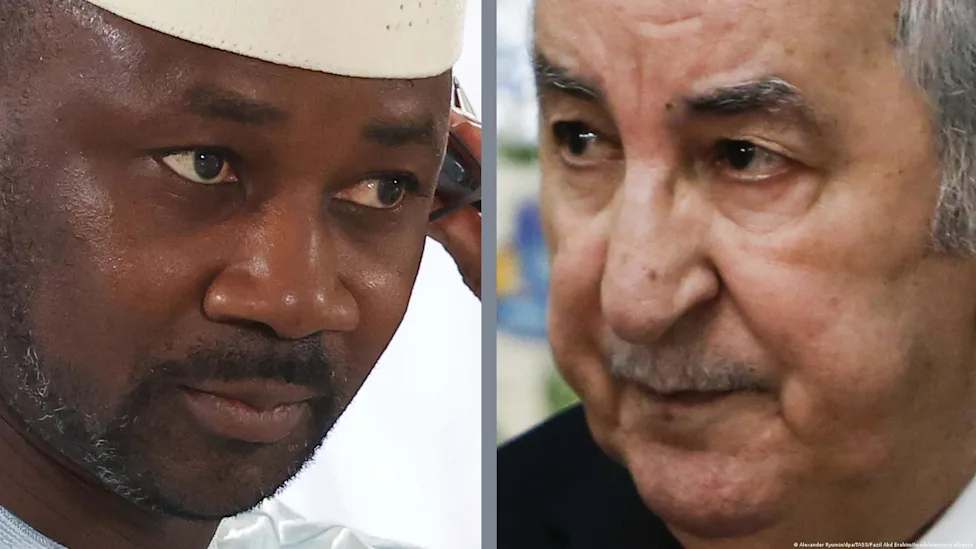
Tensions flared between Bamako and Algiers in April 2025 after Malian authorities shot down an Algerian drone they claimed had violated national airspace. Mali swiftly denied the accusation and retaliated by closing its airspace to all Algerian aircraft—a move that affected a 1,300-kilometer shared border.
By July 10 of the same year, both governments announced a series of conciliatory steps. Among them: the reinstatement of ambassadors and the full reopening of their respective airspaces, signaling a clear intent to mend strained ties.
During a recent phone call, Algerian Prime Minister Sifi Ghrieb extended an official invitation to his Malian counterpart, proposing a high-level visit to Algiers to further solidify diplomatic channels.
Regional stability takes center stage
According to sociologist Mohamed Amara, the détente carries significant implications for Sahelian security. “This rapprochement is a step toward restoring stability in a region under relentless pressure from terrorist and rebel factions.”
For Algiers, the stakes extend beyond Mali’s immediate security concerns. With instability spreading toward the Gulf of Guinea, Algeria sees value in preventing further deterioration that could threaten its own strategic interests.
Strategic gains on both sides
Amara outlined two key benefits for Bamako. “First, securing the border with Algeria to prevent it from becoming a porous gateway for insecurity.” He also highlighted the potential for renewed dialogue with armed groups, including the National Liberation Front of Azawad, as part of a broader push for political stability.
From Algiers’ perspective, the thaw serves a dual purpose: reinforcing its leadership role in the Sahel and leveraging its partnership with Russia—a critical ally for both nations—to shape regional security dynamics.
Geopolitical shifts on the horizon?
While no sweeping geopolitical realignment has occurred since 2020, this thaw could mark a turning point. “What’s changing is Algeria’s re-entry into the regional equation, alongside a more assertive positioning of Russia,” Amara noted. “Both developments may redefine how external powers influence the Sahel’s fragile balance.”