A devastating blow in central Mali
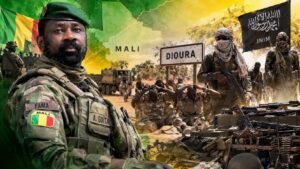
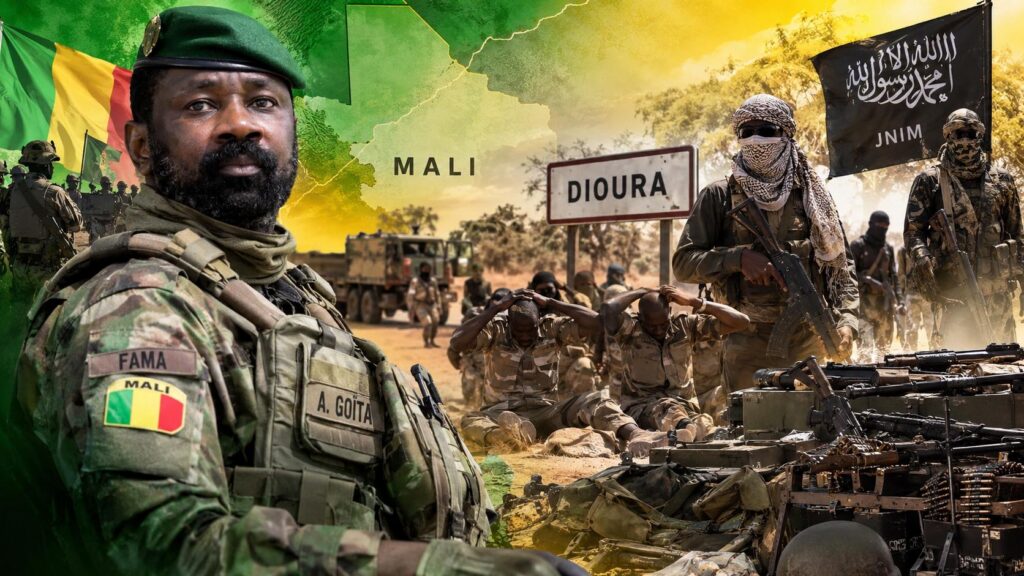
On the morning of Thursday, 10 September 2026, the town of Dioura, located in the Tenenkou circle in central Mali, became the site of a massacre. Fighters from the Group for the Support of Islam and Muslims (JNIM), an Al-Qaeda affiliate, stormed the military barracks with overwhelming force. For hours, the camp was shelled, overrun, and looted before the attackers withdrew with heavy equipment and numerous hostages.
The assault has reignited fears of a security vacuum. Local sources report a provisional death toll of up to 130 Malian soldiers, with as many as 70 taken prisoner. The junta’s promises of sovereignty and peace are colliding with a bloody reality.
A terrifying toll shrouded in censorship
As is often the case in such dramatic circumstances, official communication from the Malian Armed Forces (FAMA) and the transitional presidency has been minimal or silent. Yet on the ground, information from various sources paints an apocalyptic picture.
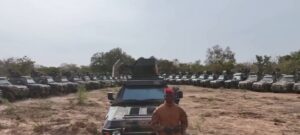
According to multiple corroborating accounts and local actors, the human toll could reach nearly 130 Malian soldiers killed. Adding to the carnage is a strategic humiliation: around 70 military personnel are believed to have been captured by the insurgents. Propaganda images and videos released shortly after by the terrorist group show dozens of young conscripts lined up, their eyes filled with terror, along with significant stocks of confiscated weapons and ammunition. For the families of the victims, the anguish is total, amplified by the denial or delayed reaction of the authorities in Bamako.
The illusion of Russian partnership and the abandonment of territory
This devastating attack highlights the glaring failure of the security strategy touted by the military junta led by Colonel Assimi Goïta. Since the coup and the geopolitical shift toward Moscow, the regime promised a build-up of the army and the imminent eradication of the terrorist threat with the support of Russian mercenaries.
On the ground, the triumphalist rhetoric is collapsing. The departure of international forces (MINUSMA, Barkhane) and the inability of Russian partners to stabilize the territory have left Malian forces isolated, under-equipped, and vulnerable. Forward military bases like the one in Dioura find themselves surrounded by mobile armed groups that now strike where and when they choose, illustrating the state’s inability to secure its own defense lines.
The despair of local populations: left to fend for themselves
Beyond the military loss, it is the civilian populations of the Mopti region who are paying the highest price for this fiasco. In Dioura, incomprehension has given way to resignation and despair.
“Every time the camp falls or retreats, we know what awaits us: reprisals, fear, and absolute emptiness,” confides a resident of the area on condition of anonymity. “They talk about sovereignty on television in Bamako, but here we have no protection, no state, no future.”
Traders in the area report a total economic paralysis. Weekly markets are canceled, roads are cut by insurgents, and the supply of basic necessities is a miracle. After the attackers pass through, fear of reprisals or post-attack abuses drives many villagers to flee to major urban centers, swelling the number of internally displaced persons amid near-total indifference.
Toward a political and military impasse
The tragedy in Dioura is a severe warning for Mali’s transitional authorities. By prioritizing communication wars over the reality of field operations, the junta is trapping itself in a dead end. The continuous weakening of troop numbers, plummeting morale, and the gradual loss of territorial control in the center and north raise an urgent question: how much longer can reclaimed sovereignty serve as a smokescreen for the collapse of national security?
Without a profound reassessment of alliances, military tactics, and dialogue with local communities, Mali risks sinking further into a vicious cycle where civilians and soldiers remain the primary victims of political blindness.