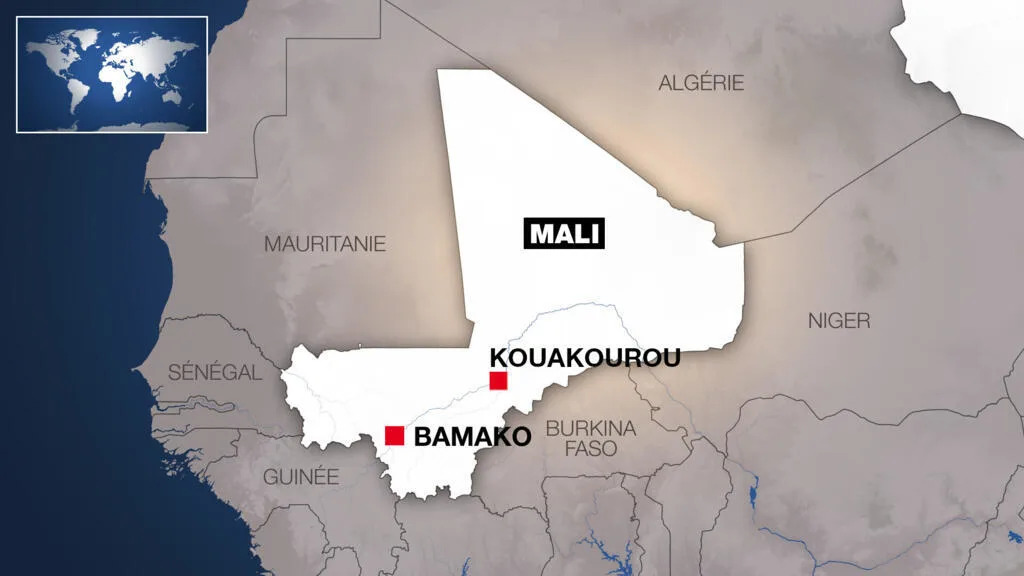
A sense of abandonment weighs heavily on those who fled Kouakourou, a once-thriving village now reduced to silence by relentless violence. Displaced families recount harrowing experiences, their voices echoing the harsh realities of survival in a country grappling with deepening instability.
Living in Limbo: The Plight of Kouakourou’s Displaced
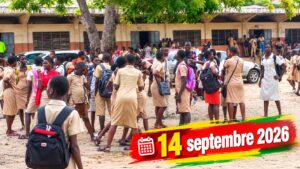
Forced from their homes by relentless threats, the residents of Kouakourou now find themselves scattered across temporary shelters. Many were relocated to a local school in Mopti, where basic supplies—rice, sugar, cooking oil, and powdered milk—were distributed by local authorities and an anonymous donor. While gratitude lingers for this assistance, the conditions under which they live tell a different story.
«Living in a school is not a solution,» shares one displaced resident, his tone heavy with frustration. «The classrooms are crammed with over 400 people. Some sleep outside in the courtyard, exposed to the elements. When the rains come, we all cram into the few dry spaces available.» The cramped quarters offer little dignity, turning what was once a place of learning into a makeshift shelter for survival.
Stolen Futures: The Human Cost of Conflict
The jihadist ultimatum that drove Kouakourou’s residents from their homes left no room for negotiation. Abandoning their livelihoods, including crops and livestock, families fled with only the clothes on their backs. «We lost everything,» laments another displaced villager. «Our phones were taken, our fields left untended. The agricultural season is lost, and with it, our hope for a stable future.»
The emotional toll is immeasurable. The village, once a bustling community, now stands empty—a ghost of its former self. The displaced yearn for the day they can return, but the path to recovery remains uncertain in a region plagued by persistent insecurity.
Seeking Stability Amidst Uncertainty
While humanitarian aid provides temporary relief, the displaced families of Kouakourou face an uphill battle. The lack of permanent housing, coupled with the psychological scars of displacement, paints a grim picture of their daily struggles. For now, their fate hinges on broader efforts to restore peace and security in the region—efforts that remain painfully slow.
Their stories are a stark reminder of the human cost of conflict, a plea for lasting solutions that go beyond emergency aid to rebuild lives and restore hope.