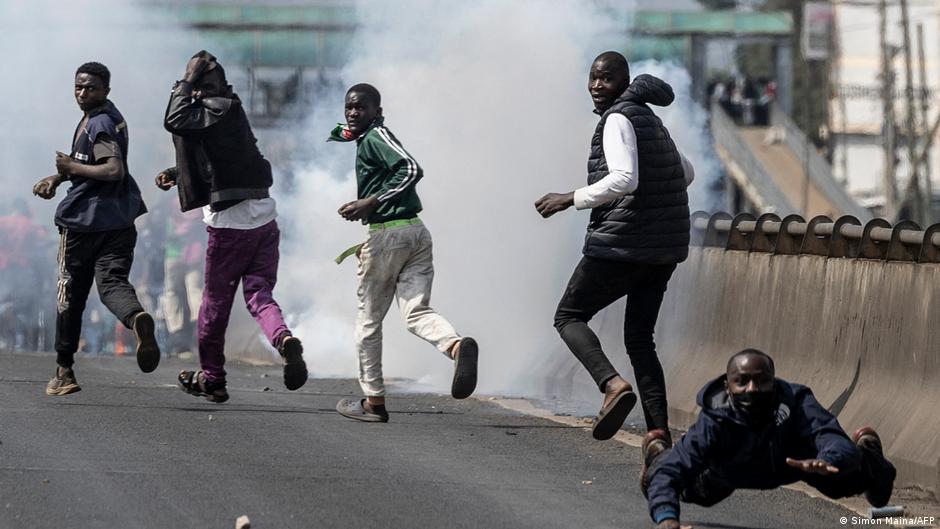
Democracy under strain across Africa’s political landscape
The state of democracy in Africa presents a complex picture: while some nations forge ahead with democratic progress, others face significant setbacks in political freedoms. The continent is currently navigating a turbulent period where democratic gains are being challenged on multiple fronts. Yet, despite these pressures, popular demand for democracy, civic engagement, and instances of peaceful transitions remain strong forces shaping Africa’s political future.
Analysts tracking recent developments have observed a concerning trend of democratic decline across several regions. The primary challenges include:
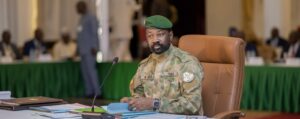
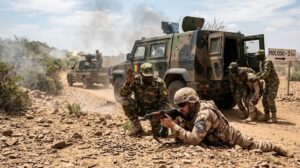
- The rise and consolidation of military regimes in the Sahel region, including Mali, Burkina Faso, and Niger.
- Delays or disputes surrounding electoral processes in various countries.
- Growing restrictions on political opposition, media outlets, and civil society organizations.
- Constitutional amendments enabling leaders to extend their time in office.
While elections still take place across many African states, their fairness and legitimacy are increasingly questioned by observers and citizens alike.
Signs of democratic resilience
Africa’s democratic story isn’t solely one of decline. Several nations continue to demonstrate robust political pluralism and peaceful transitions of power. Senegal, Cape Verde, Botswana, Seychelles, and Ghana stand out as examples where democratic institutions function effectively. Recent elections in these countries have shown that voters can still hold governments accountable through the ballot box.
Survey data from Afrobarometer reveals that Africans maintain strong support for democratic principles. Citizens are increasingly demanding greater civic participation, government transparency, and accountability from their leaders. This sustained civic engagement remains a cornerstone of democratic governance across the continent.
The pivotal role of Africa’s youth
Young Africans have emerged as powerful agents of democratic change. Across the continent, youth movements are advocating for:
- Enhanced electoral transparency;
- Stronger anti-corruption measures;
- Improved governance systems;
- Better economic and social opportunities.
Critical challenges ahead
The coming years will test Africa’s democratic resilience in several key areas:
- Restoring constitutional order in countries under military rule;
- Ensuring the independence of electoral and judicial institutions;
- Respecting presidential term limits and constitutional provisions;
- Protecting fundamental freedoms including press freedom, political opposition, and civil society;
- Addressing pressing socio-economic needs, particularly among young populations.
These challenges require sustained commitment from both citizens and institutions to strengthen democratic practices across the continent.