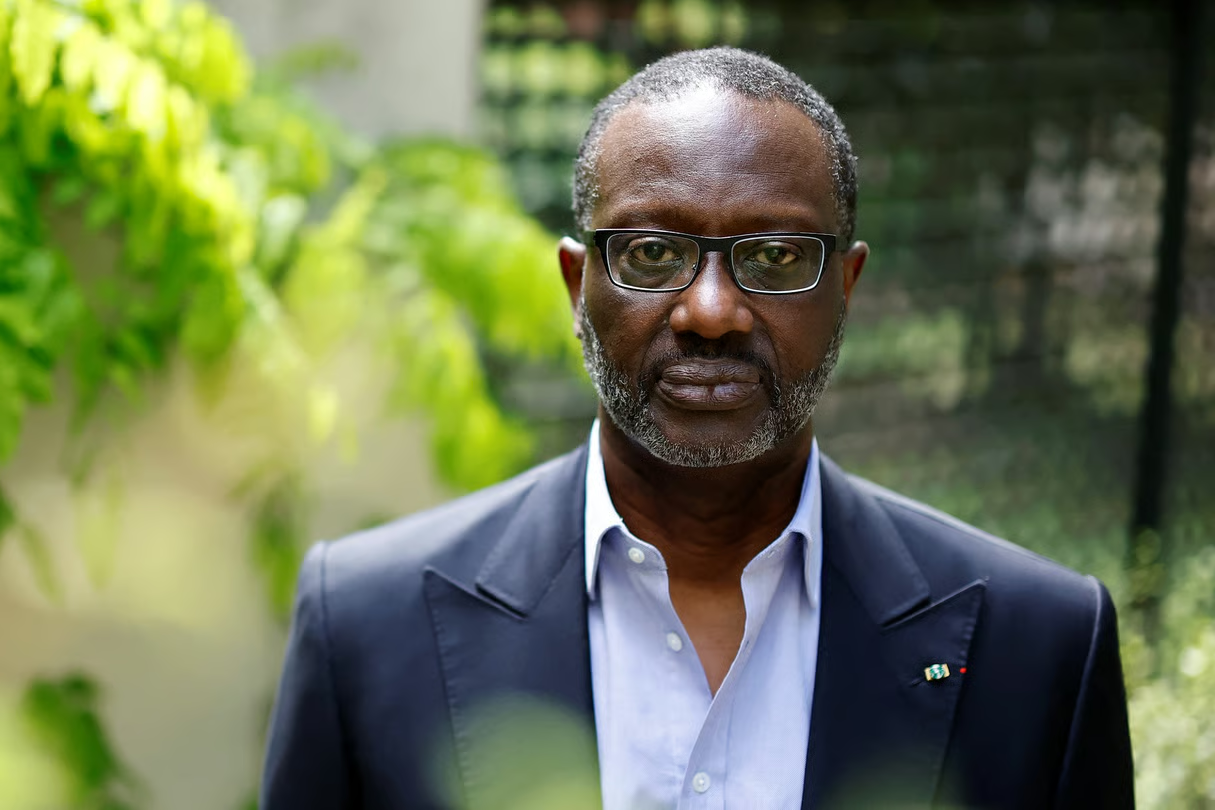
Understanding the judicial storm facing Côte d’Ivoire’s PDCI
The Parti Démocratique de Côte d’Ivoire (PDCI) finds itself at the heart of a legal tempest as judicial proceedings intensify against its president, Tidjane Thiam. These developments have sent shockwaves through the political landscape, raising critical questions about the party’s future direction and internal cohesion.
Key allegations and legal framework
The legal challenges against Thiam stem from multiple fronts, including allegations of financial misconduct and administrative irregularities. Investigators allege that funds allocated for party activities were diverted for personal gain, while others point to procedural violations in internal governance. The case has been escalated to the Abidjan Economic Court, where Thiam faces potential consequences that could reshape the party’s leadership.
Legal experts emphasize that the Code Pénal and Code de Procédure Pénale provide a clear framework for these proceedings. The charges, if proven, could lead to severe penalties, including fines and imprisonment, further complicating Thiam’s political career.
Party reactions and internal divisions
The PDCI’s response has been marked by sharp divisions. While some members rally behind Thiam, others call for his immediate resignation, arguing that his continued leadership undermines the party’s credibility. Internal debates have grown heated, with factions presenting opposing views on how to address the crisis.
Public statements from party officials reveal a fractured leadership. Some have publicly defended Thiam, praising his contributions to the party’s growth, while others have distanced themselves, emphasizing the need for transparency and accountability. This discord has weakened the PDCI’s position ahead of upcoming elections.
Impact on Côte d’Ivoire’s political scene
The unfolding situation has broader implications for Côte d’Ivoire’s political stability. The PDCI, a historic party in the country, has played a pivotal role in shaping the nation’s democratic processes. Its current turmoil risks destabilizing the opposition’s unity, potentially altering the balance of power in the 2025 electoral cycle.
Analysts warn that prolonged uncertainty could erode public trust in political institutions. The PDCI’s ability to navigate this crisis will determine its relevance in the coming years, with consequences for Côte d’Ivoire’s democratic trajectory.
What’s next for Tidjane Thiam and the PDCI?
As the judicial process unfolds, all eyes are on Thiam and the PDCI’s leadership. The next few months will be decisive, with potential outcomes ranging from a negotiated settlement to a protracted legal battle. The party’s response to these challenges will define its future and influence Côte d’Ivoire’s political landscape for years to come.