Senegal: controversy erupts over president’s meeting with former leader
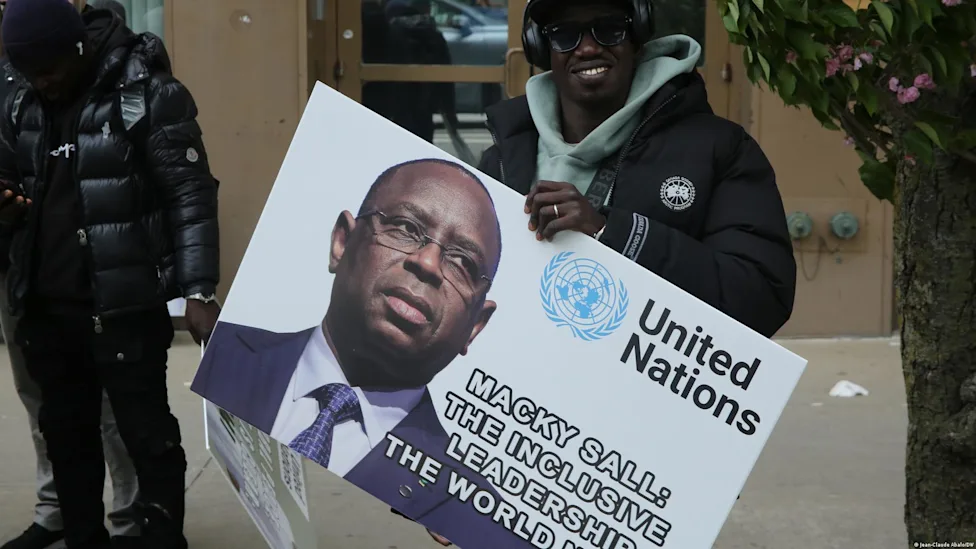
A planned meeting between Senegal’s president Bassirou Diomaye Faye and his predecessor Macky Sall—expected in Dakar to seek support for Sall’s United Nations secretary-general bid—has ignited fierce debate across the country.
A visit that reopens old wounds
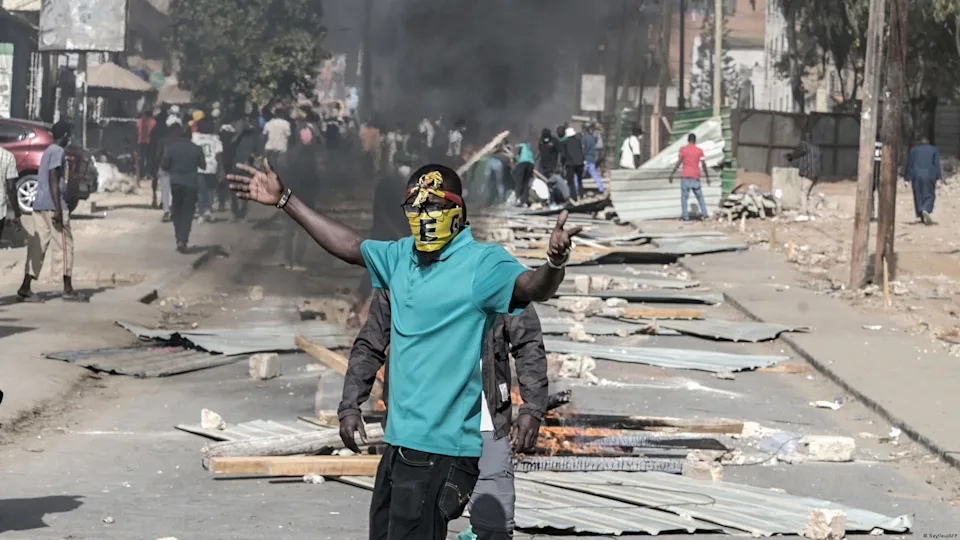
For families of victims from the 2021–2024 protests, Sall’s return stirs deep pain. Seydi Gassama, who represents 67 presumed victims in legal proceedings, calls the timing deeply troubling.
“It’s not Macky Sall’s right to return to Senegal that offends us—he’s a citizen with every freedom to do so,” explains the Senegal director of Amnesty International. “What shocks us is President Bassirou Diomaye Faye’s failure to deliver justice for the regime’s victims. No trials, no reparations—just silence. And now he welcomes the man responsible for their suffering in pursuit of a UN role. This is unacceptable.”
Broken campaign promises
During his campaign, Bassirou Diomaye Faye vowed to prioritize justice for victims. Yet over two years into his presidency, no prosecutions have begun and compensation remains minimal—a source of frustration for victim groups.
Human rights organizations also criticize the lack of progress. For Seydi Gassama, Sall’s history makes him unfit for a UN leadership role.
APR’s response
Leaders of the Alliance for the Republic (APR), Sall’s former party, dismiss victim group criticisms as exaggerated.
Political analyst Assane Samb warns the meeting could reshape national reconciliation—and Senegal’s political landscape. “President Diomaye Faye has distanced himself from his original party, Pastef,” Samb notes. “This gathering suggests an emerging alliance between his new party and traditional opposition forces, forming a united front against Pastef’s enduring influence.”
What about Pastef?
Neither the presidency nor Pastef—the party led by Ousmane Sonko—has issued an official statement on Sall’s announced visit.
This would mark Sall’s first return since leaving office in April 2024 after 12 years as president.
His UN secretary-general bid was submitted not by Senegal—the usual practice—but by Burundi, which currently holds the rotating African Union presidency. In late March, over twenty AU member states, including Senegal, rejected his candidacy to replace Antonio Guterres.