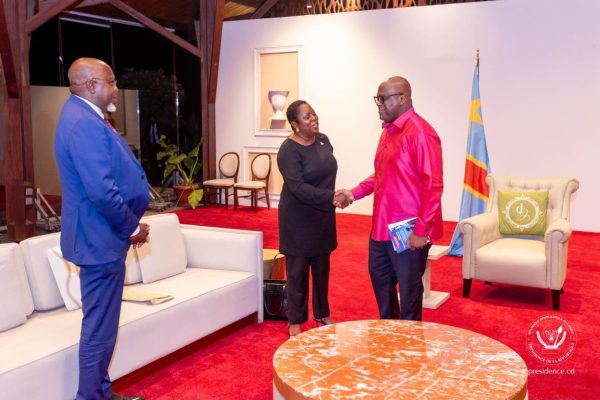
French lawmakers of Congolese descent are rallying behind a bold initiative to secure official recognition of the GENOCOST genocide in France’s upcoming parliamentary session. The announcement follows a high-level meeting with President Félix Tshisekedi at the African Union City in Kinshasa on August 4, 2026, where the Collectif des élus français originaires du Congo-Kinshasa (CEFOCK) outlined their strategic plan to elevate the issue at both national and international levels.
Central to their campaign will be a multipronged advocacy effort featuring public awareness events, expert-led conferences, and targeted outreach to French local governments, national institutions, and the Congolese diaspora. The goal is clear: transform the GENOCOST from a marginalized subject into a cornerstone of France’s policy agenda.
Breaking the silence surrounding the tragic events in the Democratic Republic of the Congo remains a core mission for these elected representatives. By leveraging their deep roots in French communities, they aim to position the genocide—linked to systemic resource exploitation—as a pressing public policy issue rather than a niche humanitarian concern.
Collaborative momentum with the CIA-VAR
A strategic alliance with the Commission interinstitutionnelle d’aide aux victimes et d’appui aux réformes (CIA-VAR) will amplify their efforts. This Congolese government body is tasked with documenting atrocities, supporting victims, and preserving historical memory. Together, they seek to:
- Ensure the victims’ stories remain unforgotten through sustained remembrance initiatives.
- Push for official recognition of the genocide to unlock pathways for justice and reparations.
President Tshisekedi has publicly endorsed the initiative, emphasizing its role in strengthening the Democratic Republic of the Congo’s diplomacy of memory on the global stage.
Diaspora’s pivotal role in driving change
The timing of this announcement is significant. The Democratic Republic of the Congo has intensified its international advocacy to have the atrocities committed since 1996 formally classified as a genocide. The Congolese diaspora, now represented in French municipal, departmental, and regional councils, has become a powerful institutional voice.
No longer limited to sharing testimonies, the diaspora is now wielding political influence. By engaging French lawmakers at every level, the CEFOCK-led campaign aims to mirror the recognition achieved for other historical genocides—pushing for parliamentary acknowledgment of the GENOCOST in France.
This grassroots-to-institutional strategy aligns with domestic efforts in Kinshasa. Just two days before the meeting, on August 2, President Tshisekedi led a national ceremony honoring the victims of the GENOCOST. During the event, he unveiled plans for a National GENOCOST Museum and a dedicated memorial, signaling a commitment to institutionalizing remembrance within the country.
With synchronized actions at home and abroad, Kinshasa is deploying every diplomatic and institutional tool to ensure the world acknowledges the genocide tied to the plundering of the Democratic Republic of the Congo’s natural wealth.