Centrafrican journalist denied asylum in France after exposing Wagner’s operations
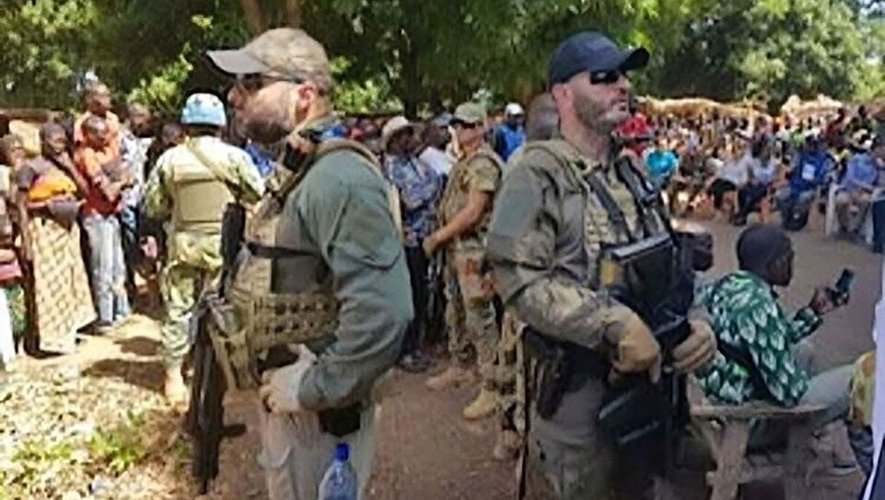
A whistleblower who exposed the shadowy operations of the Wagner Group in the Central African Republic has been denied asylum in France, despite initial support from officials.
Ephrem Yalike-Ngonzo, a Central African journalist, has been living in France since 2024 under a special travel permit granted at the request of President Emmanuel Macron. His asylum application was formally rejected on July 10, sending a chilling message to those fighting Russian disinformation networks.
Yalike-Ngonzo’s revelations about Wagner’s propaganda and military operations in the Central African Republic helped trigger European sanctions against Mikhail Prudnikov, a key figure in Moscow’s influence campaigns in the region. His work also exposed a disturbing pattern: journalists and local media were paid between 15 and 30 euros per article to promote narratives favorable to Wagner-backed forces in Bangui.
From paid propagandist to target of threats
The journalist’s journey is one of contradiction and danger. In late 2019, while working for multiple outlets, he was recruited to produce content supporting the Central African government and its Russian allies. His financial compensation, though modest, represented a significant portion of his income at the time.
By 2024, Yalike-Ngonzo had turned whistleblower, sharing his insider knowledge with international investigators. His testimony became part of a broader investigation into Russian influence operations in Africa. The backlash was immediate: death threats from Wagner operatives forced him into hiding, first in his home country and later in France.
An uncertain future in legal limbo
On July 9, Yalike-Ngonzo filed an appeal with France’s National Asylum Court. The process could take up to a year, leaving him and his family in a precarious situation. While in France, he remains in hiding, constantly moving to avoid detection. Back in Bangui, his relatives face repeated interrogations, pressured to disclose his whereabouts.
The decision marks a stark reversal from the initial protection he received. His lawyer described the asylum denial as a “deeply negative signal” to others battling foreign propaganda, warning that such actions could deter future whistleblowers from speaking out.