Sovereignty and Progress: The Dual Legacy of Côte d’Ivoire’s Independence
Sixty-six years ago, Côte d’Ivoire marked a historic milestone by reclaiming its full sovereignty, transitioning from colonial rule to self-governance. On August 7, 1960, the nation formally declared independence, not as an endpoint, but as the foundational moment for a broader journey toward comprehensive development. This sovereignty was not merely political in nature—it represented a holistic transformation, encompassing legal, economic, and social dimensions that continue to shape the nation today.
The Pillars of National Sovereignty
The sovereignty attained in 1960 was multidimensional, laying the groundwork for Côte d’Ivoire’s emergence as a respected member of the global community. It began with political sovereignty, enabling the nation to govern itself through democratically elected leaders, establish a national constitution, and build institutions that reflect its identity. The end of colonial tutelage signaled a new era of responsibility, where governance rested firmly in the hands of Ivorian citizens.
Diplomatic sovereignty followed closely. Côte d’Ivoire’s admission to the United Nations on September 20, 1960, marked its entry into the international arena as an equal partner. The nation swiftly forged bilateral relations and became a founding member of regional organizations such as ECOWAS and the Entente Council, demonstrating its commitment to collective progress in West Africa.
The establishment of a legal and judicial framework further cemented sovereignty, allowing the country to administer justice according to its own laws and values. This legal autonomy remains essential to maintaining order and protecting citizens’ rights.
Building Economic and Social Resilience
Economic sovereignty was another cornerstone of the nation’s vision. The post-independence leadership sought to reduce dependence on global commodity markets, particularly for cocoa and coffee, by diversifying production and strengthening local industries. The goal was clear: transform raw materials into higher-value finished goods and ensure food security through domestic agriculture. Social sovereignty complemented this effort, prioritizing access to education, healthcare, and social protection to improve living standards across all communities.
Territorial and security sovereignty ensured the protection of national borders and the safety of citizens, which in turn safeguarded the gains made in other areas. Without secure foundations, political, economic, and social progress would remain fragile. This holistic approach to sovereignty distinguished Côte d’Ivoire’s development model from others in the region.
The Evolution of National Development Plans
Since gaining independence, Côte d’Ivoire has implemented a series of National Development Plans (PND) to translate sovereignty into tangible progress. These plans have evolved in response to changing national and global realities, reflecting the nation’s resilience and adaptability.
From Early Growth to Crisis and Recovery
The first phase, spanning 1960 to 1993, was defined by five-year development plans under the leadership of the late President Félix Houphouët-Boigny. These plans prioritized integrated economic growth, regional resource utilization, and the elimination of disparities between urban and rural areas. The result was the Ivorian Economic Miracle, a period of rapid expansion that positioned Côte d’Ivoire as one of Africa’s most dynamic economies.
However, the 1980s brought economic challenges that disrupted this momentum. Structural adjustment programs were introduced, followed by a turbulent period of political instability from 1999 to 2011. Recovery required renewed focus, leading to structured development plans from 2012 to 2020, which aimed to restore stability and lay the groundwork for future growth.
Modernizing for a Sustainable Future
The most recent phase, from 2021 to 2025, introduced a Growth Plan centered on six strategic pillars: industrialization, human capital development, private sector growth, social inclusion, balanced regional development, and good governance. These pillars reflect a modern, inclusive vision designed to propel Côte d’Ivoire toward emergence by 2030.
The upcoming PND 2026–2030 builds on this foundation, emphasizing resilience, sustainability, and innovation. With an estimated investment of over 114,000 billion FCFA, the plan seeks to accelerate industrialization, integrate climate resilience into economic strategies, and foster public-private partnerships. Key targets include achieving an average annual growth rate of 7.2%, creating millions of formal jobs, reducing poverty below 20%, and increasing life expectancy. These objectives are not merely economic—they represent a commitment to inclusive progress for all Ivorian citizens.
Independence Day 2026: A Reflection on Progress and Future Ambitions
The commemoration of Côte d’Ivoire’s independence is more than a historical observance; it is a moment to evaluate the nation’s journey and reaffirm its aspirations. In 2026, the celebrations will take place in Yopougon, symbolizing the government’s ongoing commitment to regional equity—a core principle of successive PNDs. This choice of location underscores the administration’s dedication to bridging gaps between the capital and outlying areas, ensuring that development benefits every corner of the country.
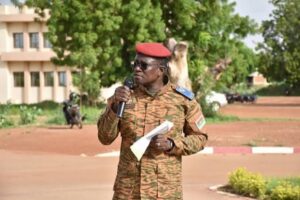
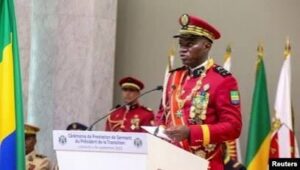
The theme for the 2026 Independence Day, “The role of defense and security forces in fostering peace, unity, and development,” highlights a critical aspect of national sovereignty: security. Under President Alassane Ouattara’s leadership, Côte d’Ivoire has prioritized strengthening its defense and security institutions to safeguard the gains of democracy and development. This theme reflects the administration’s broader vision of a stable, prosperous nation where all citizens can thrive.
A Continuity of Vision, A Leap Toward Transformation
The PND 2026–2030 represents both continuity and innovation. It builds on the achievements of previous plans while introducing bold new strategies to address contemporary challenges. The integration of climate resilience and the green economy into national planning reflects a forward-thinking approach, preparing Côte d’Ivoire for global shifts in trade, technology, and environmental policy.
The plan’s ambitious targets—including poverty reduction, job creation, and sustainable growth—are not just economic goals. They are a testament to the nation’s determination to turn its formal sovereignty, declared in 1960, into a lived reality for all Ivoirians. As the country prepares to celebrate its 66th anniversary of independence, the message is clear: the journey toward prosperity is well underway, and the future is bright.