The leadership of Ousmane Sonko within the Pastef party is now under intense scrutiny as the organization faces mounting legal and political hurdles tied to Article 17. With the 2026 congress drawing near, a wave of uncertainty has swept through the party’s ranks, prompting urgent discussions about eligibility and the future of its direction.
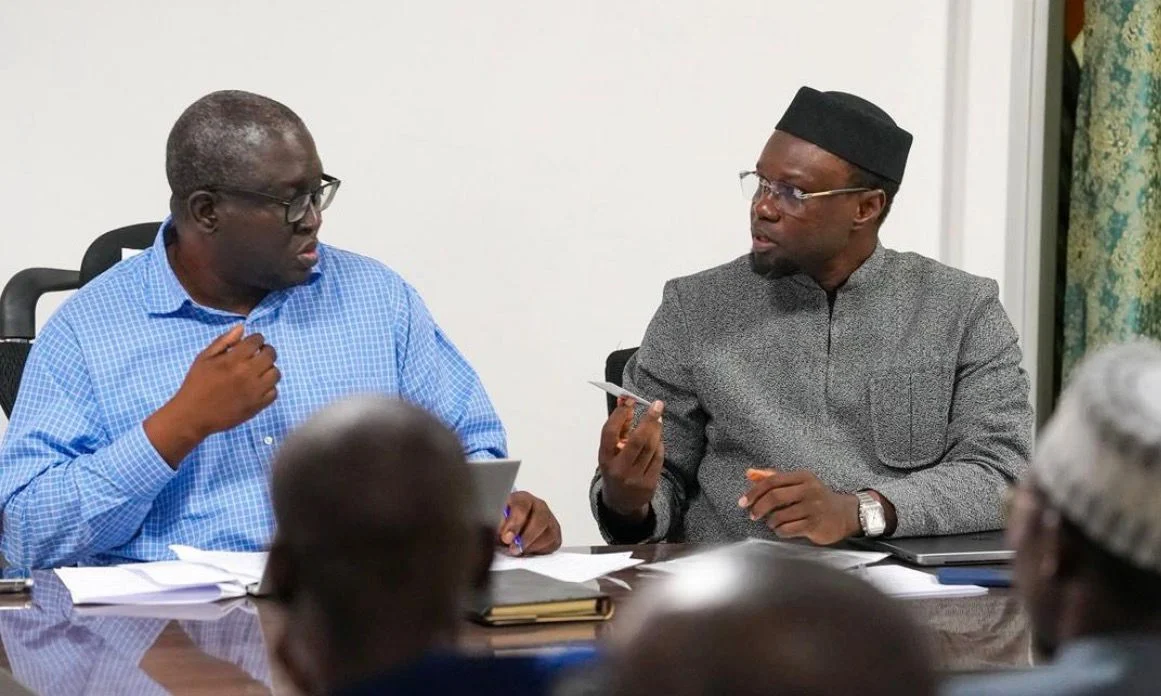
Legal and political implications of Article 17
As the debate over Article 17 gains momentum, legal experts are weighing in on whether Ousmane Sonko can maintain his position as leader of Pastef. The clause in question raises critical questions about eligibility and compliance with party statutes, sparking a broader conversation about governance and accountability within West African political movements.
The timing of these discussions is particularly sensitive, coinciding with preparations for the 2026 congress. Party insiders report that internal factions are already positioning themselves, with some advocating for immediate action to address the legal ambiguities surrounding Sonko’s leadership.
What’s at stake for Pastef and its supporters
The outcome of this debate could redefine the trajectory of Pastef, influencing its strategies and alliances ahead of key elections. For Sonko’s supporters, the stakes could not be higher—his continued leadership could determine whether the party remains a dominant force in Mali’s political landscape or faces a period of uncertainty.
With public opinion increasingly divided, the party’s ability to unite behind a clear vision will be tested. The decisions made in the coming months will shape not only Pastef’s future but also the broader political climate in Mali.