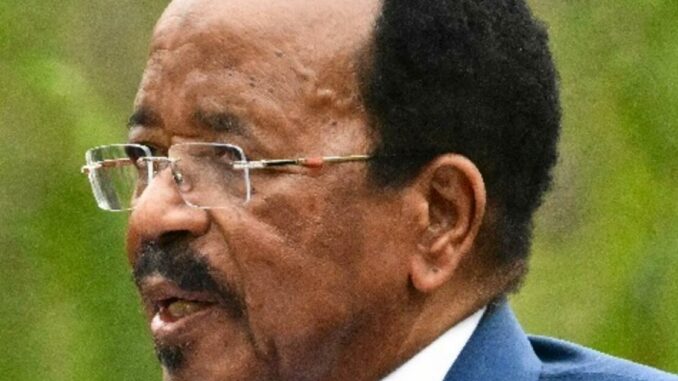
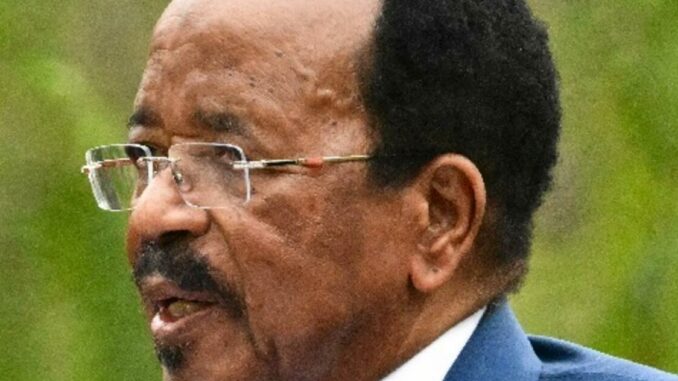
For two full months, Cameroon’s president, Paul Biya, has remained abroad, sparking fresh concerns about his ability to govern. At 93 years old, the veteran leader’s prolonged absence has reignited discussions about transparency and succession in a nation already grappling with post-election uncertainties.
Government officials insist there is no power vacuum, claiming Biya continues to perform his duties remotely. They point out that no legal restriction prevents a president from staying abroad. Yet, this explanation fails to ease growing skepticism among both the public and political opponents.
The opposition remains unconvinced. Leaders from the Movement for the Renaissance of Cameroon (MRC), led by Maurice Kamto, argue that citizens deserve clarity about the president’s health and capacity to govern. They contend that the lack of transparency only deepens public anxiety rather than resolving it.
Other critics focus on institutional weaknesses. Cabral Libii, leader of the PCRN, suggests the real issue lies in the absence of a robust legal framework governing presidential power. He believes upcoming legislative and municipal elections in early 2027 could serve as a catalyst for much-needed institutional reforms.
With Biya’s new term set to begin in just eight months, his prolonged absence has reignited long-standing debates about governance, succession, and the need for greater accountability at the highest levels of power. More than a mere dispute over a travel delay, this situation exposes the vulnerabilities of a political system entrenched around a single leader for over four decades.