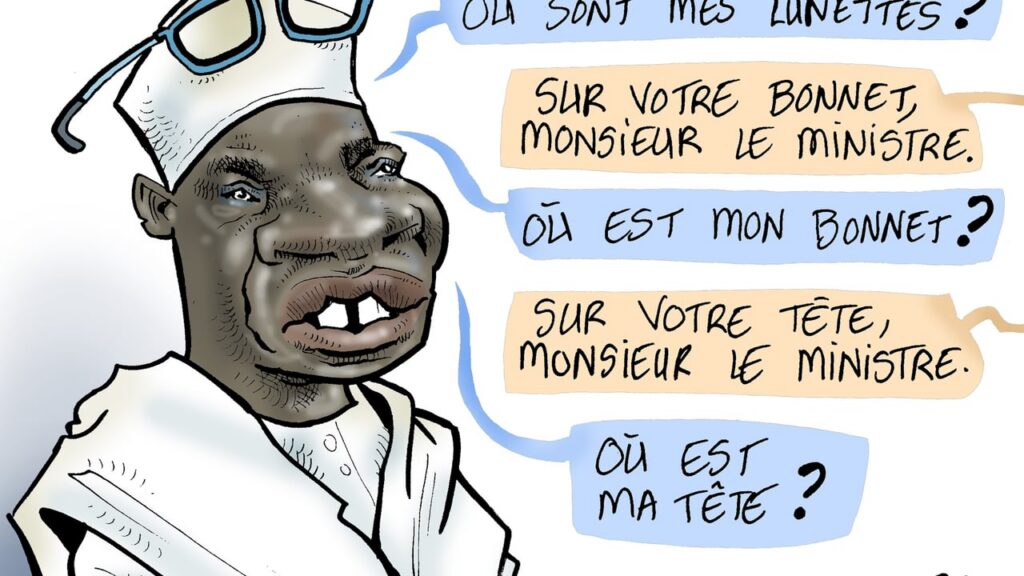
Four journalists face heavy penalties in a dispute over a minister’s eyewear
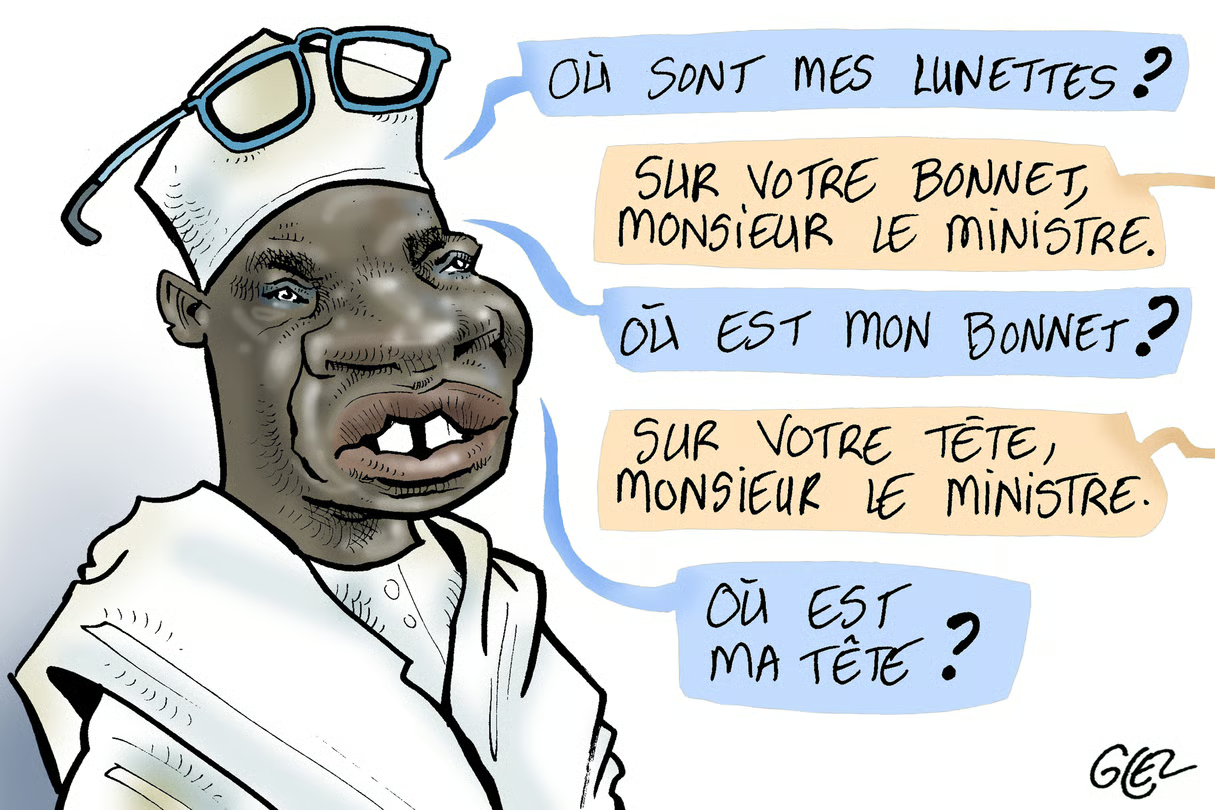
In a landmark court decision that has sent shockwaves through Cameroon’s media landscape, four journalists have been handed severe sentences in connection with a seemingly minor allegation—ownership of a pair of official eyeglasses. The ruling has not only upended careers but also ignited a fierce debate about the fragility of press freedoms and the limits of judicial discretion in the country.
A routine investigation spirals into a career-ending crisis
The controversy began when a Cameroonian government minister accused a group of reporters of possessing a pair of glasses he claimed belonged to him. Despite its trivial nature, the accusation quickly escalated into a legal battle that would test the boundaries of journalistic integrity and legal accountability. The court’s decision to impose harsh penalties—including hefty fines and suspended prison sentences—has raised questions about proportionality and the potential misuse of judicial power in sensitive cases.
- Alleged ownership of the glasses: The central dispute revolved around whether the journalists had unlawfully kept a pair of spectacles associated with the minister.
- Legal consequences: The court ruled against the reporters, imposing fines and suspended sentences that could have long-term professional and personal repercussions.
- Press freedom implications: The case has highlighted concerns about how easily legal proceedings can be weaponized against media professionals, even in matters of questionable significance.
From optics to press freedom: the wider fallout
The repercussions of this case extend far beyond the courtroom. Journalists and press advocacy groups have condemned the ruling as a stark example of how minor disputes can spiral into full-blown crises for press freedom. The decision has sparked urgent discussions about the need for clearer legal frameworks to protect media professionals from arbitrary legal actions that could stifle investigative reporting or criticism of public officials.
Critics argue that the case sets a dangerous precedent, where the misuse of legal proceedings could deter journalists from pursuing stories critical of government officials. The penalties imposed on the four reporters have become a symbol of the broader challenges faced by the media in Cameroon, where press freedom is increasingly under scrutiny.
What’s next for Cameroon’s press?
As the legal dust settles, the implications of this case continue to reverberate. The four journalists now face an uphill battle to clear their names and restore their professional reputations. Meanwhile, media advocates are calling for urgent reforms to safeguard press freedoms and prevent similar cases in the future. The question remains: Will this ruling serve as a turning point for press freedom in Cameroon, or will it further erode the already fragile landscape for journalists?
The outcome of this saga could well define the future of investigative journalism in the country, making it a pivotal moment for both the media and the judiciary.
Key takeaways from the glasses case
The case has underscored several critical issues:
- Legal overreach: The imposition of severe penalties for a minor dispute raises concerns about judicial discretion.
- Press freedom at risk: The ruling highlights how easily legal actions can be used to silence critical reporting.
- Need for reform: Media advocates are urging for legal protections to prevent the weaponization of courts against journalists.
- Public perception: The case has fueled public skepticism about the judiciary’s role in protecting press freedoms.