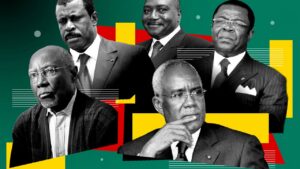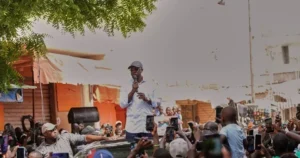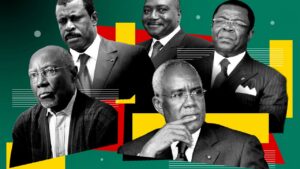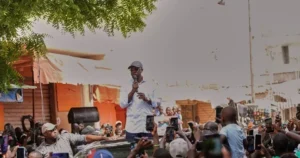
Since assuming office in 1982, Cameroon’s President Paul Biya has shaped—and reshaped—the political landscape of the nation. His tenure has seen the rise and fall of influential figures, many of whom once held immense power but later found themselves stripped of influence, imprisoned, or exiled. These political figures, often referred to as the ‘fallen of the Republic,’ remain a haunting presence in the corridors of Yaoundé’s Etoudi Palace, the seat of Cameroon’s presidency.
From allies to adversaries: the shifting tides of power
The journey from political prominence to obscurity has been a recurring theme for many in Cameroon. Once trusted confidants of the Head of State, these individuals were instrumental in shaping policies and consolidating power. However, their fortunes changed when their ambitions—or perceived disloyalties—clashed with the interests of the regime. The result? A cycle of dismissals, legal proceedings, and, in some cases, prolonged incarceration.
Profiles of those who once ruled
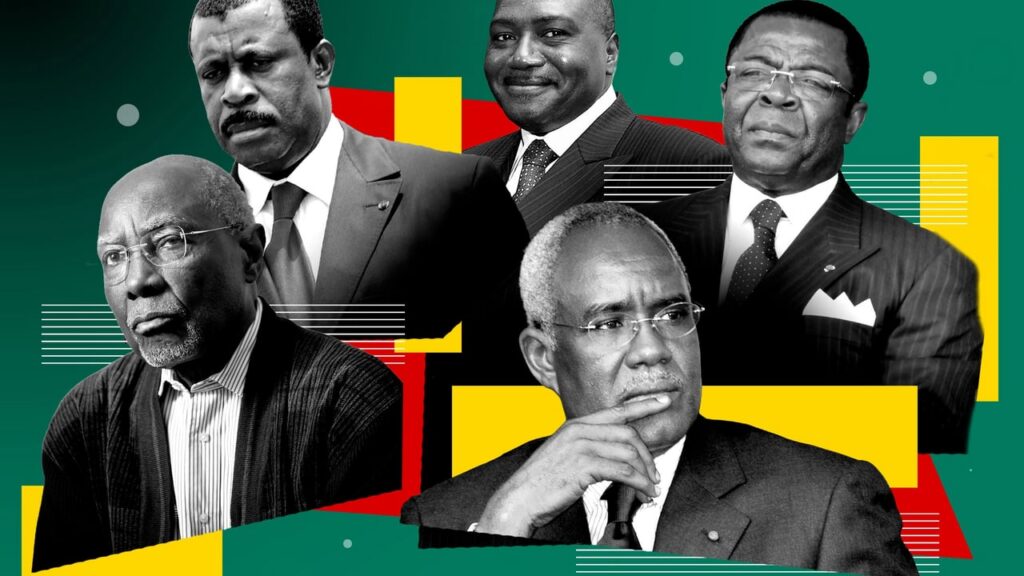
Among the most notable figures who experienced this dramatic reversal of fortune are:
- Titus Edzoa, a former Secretary-General of the Presidency, whose political career unraveled after a failed presidential bid in 1997 led to his arrest and imprisonment.
- Ephraïm Inoni, once Prime Minister and a key architect of Cameroon’s economic policies, who now lives in the shadows after his downfall in 2009, following allegations of corruption.
- Jean-Marie Atangana Mebara, a former Minister of State, whose influence waned after he was implicated in a scandal involving state funds, resulting in a decade-long legal battle.
- Marafa Hamidou Yaya, a former Minister of State and longtime ally of Paul Biya, who was sentenced to 25 years in prison in 2012 on charges of embezzlement and abuse of office.
- Edgar Alain Mebe Ngo’o, a former Minister of Defense, whose political career ended abruptly in 2018 amid accusations of financial misconduct.
The enduring impact on Cameroon’s political climate
The stories of these ‘fallen leaders’ serve as a stark reminder of the fragility of power in Cameroon. Their fates underscore the centralization of authority within the presidency and the high stakes involved in any challenge to the status quo. While some have faded into obscurity, others continue to face legal battles or live in self-imposed exile, their once-formidable influence now a distant memory.
As Cameroon navigates its political future, the legacy of these figures remains a cautionary tale—one that shapes the ambitions and calculations of the nation’s current and aspiring leaders.