Cameroon’s president biya reshuffles military amid prolonged absence in Switzerland
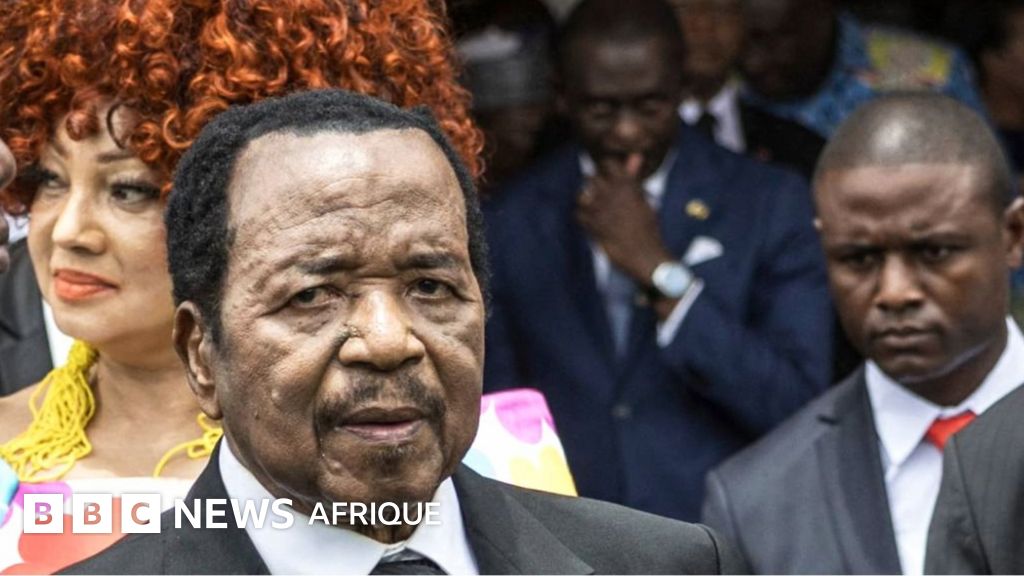
The Cameroonian president, Paul Biya, has reshuffled key military positions as public concern grows over his extended stay abroad. At 93 years old, the world’s longest-serving leader has appointed new high-ranking officers and promoted five colonels to brigadier general.
Such military reshuffles are not uncommon during Biya’s tenure, particularly when public pressure mounts or perceptions of leadership weakness emerge. The move follows a pattern of leadership adjustments in response to regional instability, including the recent coup in neighboring Gabon, which sent shockwaves across Central Africa.
Military restructuring amid regional tensions
Following the unexpected coup in Gabon three years ago, Cameroon swiftly reorganized its military command to reinforce stability. More recently, Biya reshuffled top military officials ahead of last year’s controversial eighth-term election, and again in June when several defense and security personnel received promotions.
The latest changes, announced via presidential decrees from Geneva, come as Biya completes nearly two months abroad—a trip officials describe as a private visit. The absence has fueled speculation about his health and raised questions about the continuity of governance in a nation heavily dependent on presidential leadership.
Public unease over leadership vacuum
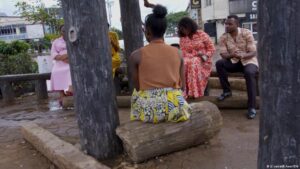
Many Cameroonians have criticized the lack of transparency surrounding Biya’s activities and the uncertainty over his return. Despite promises to form a new government after last year’s election, key positions, including the vice-presidency created in April, remain unfilled.
During his nearly two-month absence, Biya has signed multiple decrees, including those authorizing international loan agreements. Government officials continue to deny reports of hospitalization, though press freedom groups have long faced restrictions on reporting on the president’s health.
Cameroon’s Communication Minister, René Emmanuel Sadi, has reassured the public, stating Biya remains active and will return shortly. He dismissed opposition claims that the president’s absence constitutes an institutional vacancy, insisting Biya continues to govern remotely from Switzerland.
However, opposition figures argue the prolonged absence has created a significant leadership gap. Mamadou Mota, vice president of the opposition CRM party, stated, “Executive power must be exercised within the nation, not through distant decrees or vague signals from hotel suites on another continent.”
Health secrecy fuels speculation
Concerns over Biya’s health have persisted since 2024, when Cameroonian media were barred from reporting on his medical condition. The government’s refusal to disclose details has only deepened public skepticism, despite official assurances that the president remains in good health.
The reshuffle, while routine in Biya’s administration, underscores the fragility of governance amid prolonged presidential absence and raises questions about Cameroon’s future leadership stability.