Cameroon government addresses presidential absence controversy
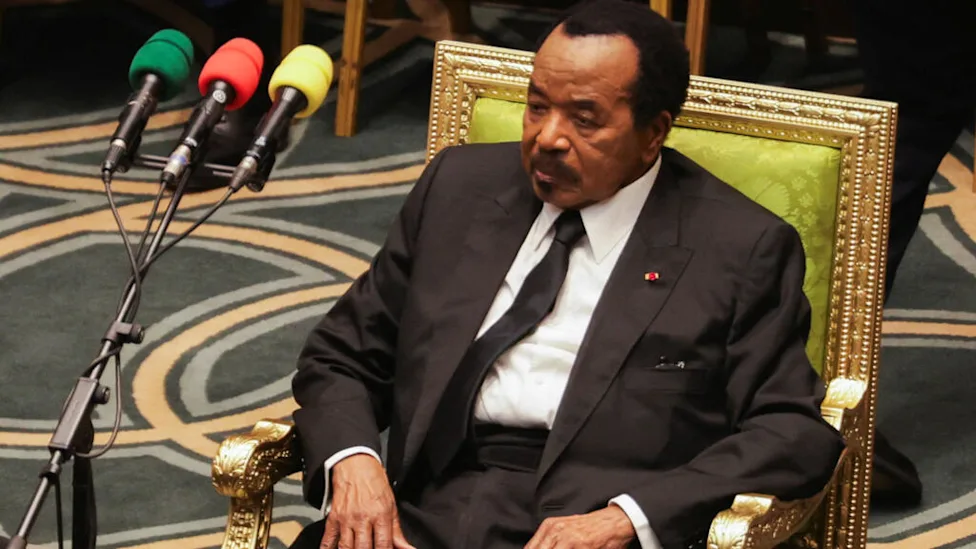
Jacques Fame Ndongo, Cameroon’s Minister of State, dismissed concerns about the president’s prolonged absence, calling such claims legal and political absurdities. He emphasized that no Cameroonian law or regulation specifies a maximum duration for a president’s absence from the country.
The minister argued that invoking a non-existent constitutional provision to question President Paul Biya’s absence would be akin to “wandering through legal quicksand”. He insisted that the head of state, in power since 1982, remains actively engaged in governance, meticulously reviewing files either in person or through established electronic means.
Is this absence an exile in disguise?
The Movement for the Renaissance of Cameroon (MRC), led by opposition figure Maurice Kamto, countered with a sharp question: “At what point does prolonged physical absence render the supreme magistracy a fiction?” MRC vice-president Mamadou Mota argued that 45 days outside national territory go beyond a mere stay, describing it as an “exile in all but name”.
The opposition party mocked the idea of Cameroon being “the world’s first nation governed through clandestine telecommuting,” suggesting that President Biya’s remote oversight of state affairs lacks transparency and legitimacy.