Cameroon finance minister urges deeper capital markets for CEMAC growth
Cameroon’s finance minister, Louis Paul Motazé, has called for urgent reforms to create a more robust and attractive capital market that can fund the Central African Economic and Monetary Community’s economic transformation.
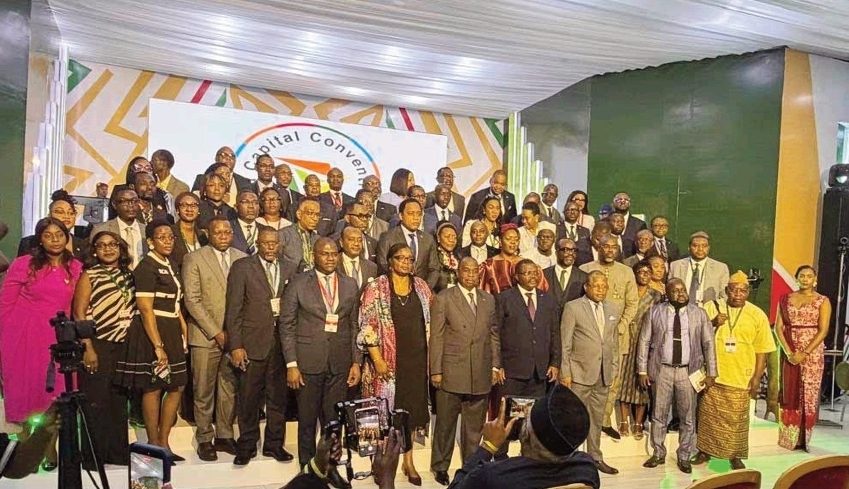
Speaking at the opening of the Diamond Capital Convention in Douala on September 24, 2026, Motazé highlighted the need for deeper capital markets in Cameroon and across the CEMAC region. The three-day event brought together government officials, investors, financial institutions, regulators and business leaders to discuss strategies for boosting economic growth through increased capital mobilization.
The minister emphasized that a stronger capital market was essential to finance real-economy projects including industrialization, infrastructure, energy and digital transformation. These sectors, he noted, were critical to creating value, boosting economic activity and generating employment across Cameroon and CEMAC member states.
Mobilizing private capital for infrastructure and industrial projects
In his keynote address, Motazé underscored the urgency of aligning private capital with large-scale economic initiatives. He pointed out that Cameroon and CEMAC economies must leverage capital markets to fund critical infrastructure and industrial projects to remain competitive in the global economy.
The convention served as a platform for stakeholders to explore innovative financing mechanisms that could attract private investment into key sectors. Discussions focused on strategies to streamline capital flows, improve regulatory frameworks and enhance investor confidence in the region’s financial markets.
Strengthening savings mobilization and investor trust
Beyond infrastructure and industrialization, Motazé stressed the importance of expanding access to capital markets for the general public. He noted that “a vibrant capital market is not just for large corporations and institutional investors—it must also empower individuals to participate in the economy through savings and investment.”
The minister outlined several measures to build trust in the capital market, including stronger regulatory oversight, greater transparency in financial reporting and robust investor protection mechanisms. These steps, he argued, were necessary to encourage more Cameroonians and CEMAC citizens to invest in local financial instruments.
The development of accessible and credible capital markets, according to Motazé, would enable broader economic participation and help fund productive activities across the region. By encouraging savings and investment at all levels, the financial ecosystem could become a powerful engine for sustainable economic growth.
Key sectors identified for capital market growth
Motazé highlighted several priority areas where capital market financing could have the most significant impact:
- Industrialization: Strengthening local production chains to reduce reliance on imports and increase value creation.
- Energy transition: Mobilizing capital for renewable energy projects to meet growing demand and reduce carbon footprints.
- Digital infrastructure: Expanding broadband and digital services to support innovation and entrepreneurship.
- Transport and logistics: Funding road, rail and port projects to improve regional connectivity and trade competitiveness.
The finance minister concluded by calling on all stakeholders—public and private—to collaborate in transforming Cameroon’s capital market into a driver of regional economic development. The ambition is clear: to turn available financial resources into productive investments, competitive enterprises and sustainable job creation across CEMAC.