Benin foils coup attempt against President Talon
Gunfire erupted near the presidential palace in Cotonou as soldiers blocked access to key government buildings.
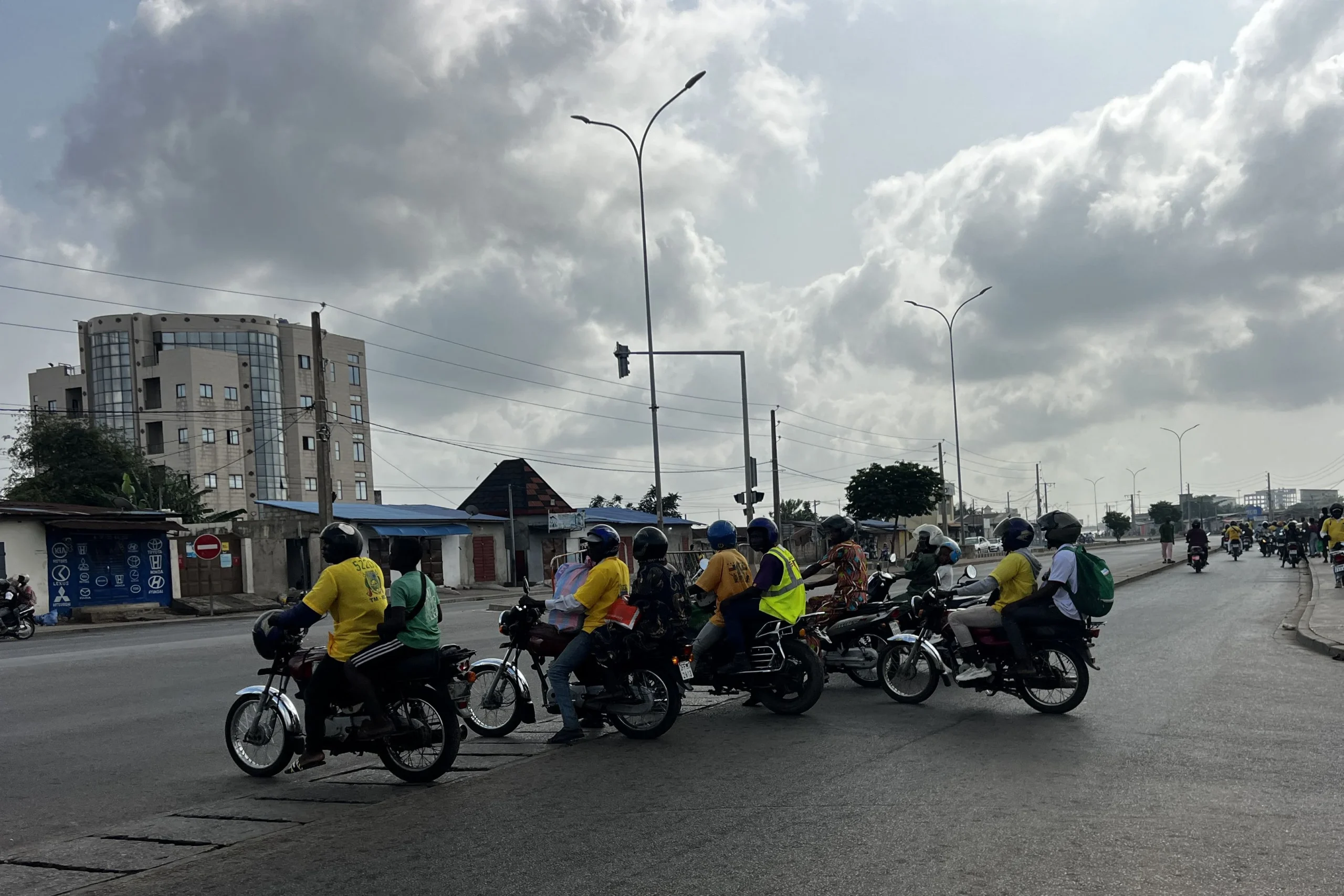
Benin’s government announced on Sunday that it had foiled a coup attempt targeting President Patrice Talon, who reassured citizens that the situation was “fully under control.” The Economic Community of West African States (ECOWAS) pledged military support to uphold constitutional order.
The failed putsch comes just months before President Talon’s second term concludes, following two decades of robust economic growth—despite persistent security challenges in northern Benin linked to jihadist violence. The move also follows a wave of political instability across West Africa, with recent coups in Mali, Burkina Faso, Niger, Guinea, and Guinea-Bissau—all neighboring Benin.
On Sunday morning, gunfire erupted near the presidential palace in Cotonou, Benin’s economic hub. Soldiers stormed the national television station, declaring they had seized power, citing “deteriorating security conditions” and threats to “fundamental freedoms.” Hours later, Interior Minister Alassane Seidou appeared on state TV to confirm the coup had been thwarted.
President Talon addressed the nation Sunday evening, declaring the situation “fully under control” and vowing to maintain public order. “This treachery will not go unpunished,” he warned, commending the Republican Guard for their swift response.
According to military sources cited by the Agence France-Presse (AFP), a dozen soldiers were arrested, including some involved in the failed coup. While the ringleader, Lieutenant Colonel Pascal Tigri, was not explicitly named, authorities confirmed his involvement remains under investigation.
In a coordinated response, Nigerian warplanes conducted airstrikes in Cotonou, as confirmed by Nigerian Air Force spokesman General Ehimen Ejodamen. ECOWAS later announced the immediate deployment of troops from Nigeria, Sierra Leone, Ivory Coast, and Ghana to bolster Benin’s government and military.
The ECOWAS Standby Force, tasked with preserving regional peace, had previously intervened in Gambia in 2017 to prevent a constitutional crisis. However, it refrained from action in Niger following the 2023 coup.
The African Union (AU) strongly condemned the coup attempt, calling it an “unambiguous violation of democratic norms.”
Benin, once a model of democratic stability in West Africa, has not experienced a successful coup since 1972. “This feels like reliving what our parents endured,” said Remy Agblo, a local merchant. “Thankfully, it was stopped.”
President Talon, who took office in 2016, will step down in 2026 after completing his second term—the constitutional limit. His designated successor, Finance Minister Romuald Wadagni, is the frontrunner for the 2026 election, as the main opposition party was barred from participating.
“Tensions have been rising for months over elections,” noted Anatole Zinsou, a Cotonou-based IT specialist. “The exclusion of certain political actors has deepened divisions.”
While praised for Benin’s economic progress, President Talon faces criticism for shifting toward authoritarianism in a country once celebrated for its democratic vibrancy.
Regional reaction and public sentiment
France, Benin’s former colonial ruler, condemned the coup attempt and urged its citizens to exercise extreme caution, advising them to stay indoors due to an “unpredictable environment.”
By evening, Cotonou’s streets had emptied earlier than usual. Military checkpoints were set up around the presidential palace and Guézo military camp. “I’ll try to get home early—I don’t know who’s behind this coup,” shared Michelle Eudoxie, a 50-year-old hairdresser.
“I heard gunshots this morning and fled my neighborhood out of fear,” recounted Nabil Sacca, a fuel vendor who was near the presidential palace during the incident.