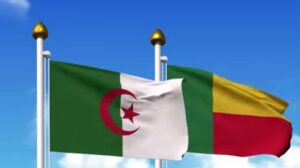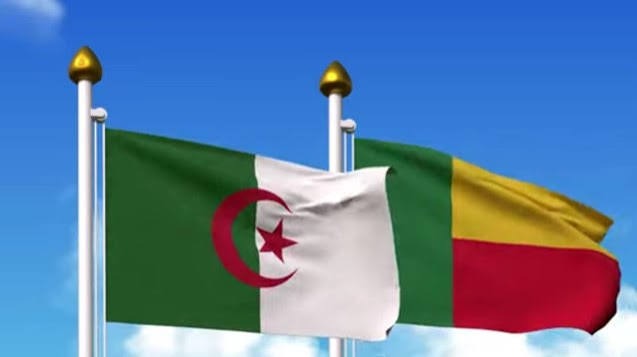
The moment has arrived. In a move that signals a decisive turning point, Benin has locked in a strategic defense partnership with Algeria, setting the stage for a fundamental shift in how Cotonou confronts the persistent terrorist threat looming over its northern territories and the wider Sahel region.
A pivotal encounter at the heart of Benin’s defense ministry
At the Ministry of National Defense in Cotonou, a high-level meeting brought together Beninese authorities and a top diplomatic and military delegation from the People’s Democratic Republic of Algeria. This wasn’t just another diplomatic courtesy call—it marked the concrete launch of a bilateral defense partnership that both nations had been quietly building toward.
Why Algeria? Cotonou’s strategic calculus
For Benin, turning to Algeria is anything but arbitrary. The choice reflects a clear-eyed assessment of what’s needed to counter the growing pressure from armed terrorist groups operating in the north.
- A proven counterterrorism model: Algeria’s military has earned international recognition for its expertise in combating insurgent strongholds, securing land borders, and conducting surveillance across semi-arid and Sahelian environments.
- Diversifying alliances: Staying true to its pragmatic approach, Benin is actively expanding its military cooperation channels—from logistics training to intelligence technology—without relying solely on traditional Western partners or strict alignment frameworks.
- Training as a force multiplier: Access to Algeria’s prestigious military academies and tactical training centers represents a major opportunity to elevate the leadership and elite units of Benin’s Armed Forces (FAB).
From handshake to framework: building a durable defense architecture
The talks moved beyond diplomatic niceties, producing concrete steps to institutionalize this inter-state cooperation for the long haul:
Laying the groundwork for a formal defense agreement
Both sides outlined the contours of a legal framework that would cement enhanced technical cooperation, continuous training for Beninese military officers, and the transfer of expertise in crisis management and Tactical and Electromagnetic-Origin Intelligence (ROEM).
Establishing permanent operational coordination
Beninese and Algerian officials agreed to set up a direct, regular communication channel to coordinate threat assessments of cross-border instability destabilizing the Sahelo-Saharan space and threatening the Gulf of Guinea.
Reinforcing collective stability
Through this agreement, Algiers reaffirms its intent to re-engage diplomatically and security-wise in sub-Saharan Africa, while Cotonou strengthens its position as a strategic bulwark protecting West Africa’s coastline.
A proactive turn in Benin’s security posture
By sealing this strategic alignment with Algeria, Benin is signaling that it will meet the regional security crisis head-on: training its forces, diversifying its partnerships, and drawing on the expertise of major continental players. This is the moment Cotonou pivots from reactive to proactive—and the implications will reshape West Africa’s security landscape for years to come.