The real motive behind Niger’s media crackdown
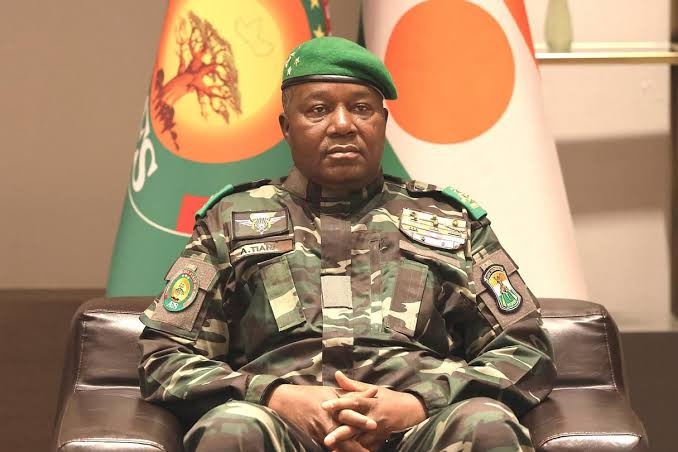
When a government begins to brand its critics as threats to national security, the true target is rarely security itself. In Niger, the military-led Conseil national pour la sauvegarde de la patrie (CNSP) has unveiled a fresh legal framework for electronic media and foreign correspondents, officially to protect the nation’s virtual space. But a closer analysis reveals that this move is less about safeguarding sovereignty and more about constructing an impenetrable information wall—a barrier designed to keep out scrutiny and dissenting voices.
Why online platforms became the last free space
The ordinance governing electronic press leaves little to the imagination. While it claims to “update regulations” and “combat misinformation,” the underlying aim is to grant the junta an unrestricted hunting license across the nation’s final pockets of free expression. With traditional media already reduced to echoing the regime’s line, digital outlets and blogs had remained the sole refuge for independent journalists, citizens, and bloggers seeking to question the official narrative. Now, the power to define “fake news” will rest not with an impartial judiciary but with the military state itself. “Professional responsibility” is thus recast as a new label for enforced conformity.
How the junta is closing the door on outside observers
The second pillar of the law targets international media and foreign correspondents. The language is carefully calibrated—”accreditation procedure,” “identification,” “traceability”—but the intent is transparent. It amounts to systematic profiling and absolute oversight of journalists’ work. By subjecting correspondents to stringent filters, Niamey is not merely shielding itself from supposed interference; it seeks to handpick its witnesses, dictate its own storylines, and shut out any critical perspective. This is the creation of a hermetic media bubble where only government-approved truths are allowed to circulate.
The fragile regime behind the information blockade
Claiming that “sovereignty is at stake in the information space” is a convenient shorthand. Yet conflating a people’s sovereignty with a government’s monopoly on speech is a major political error. A state that fears contradiction so deeply that it locks down every news thread does not project strength—it exposes its own vulnerabilities. By turning the press into a propaganda tool and treating journalists as default suspects, Niger is not bolstering its sovereignty. It is further isolating itself, forcing its population to choose between imposed silence and the clandestine whisper of social networks. Information is not a threat to the nation; it is the mirror of its democratic health. And that mirror, the CNSP has just shattered.