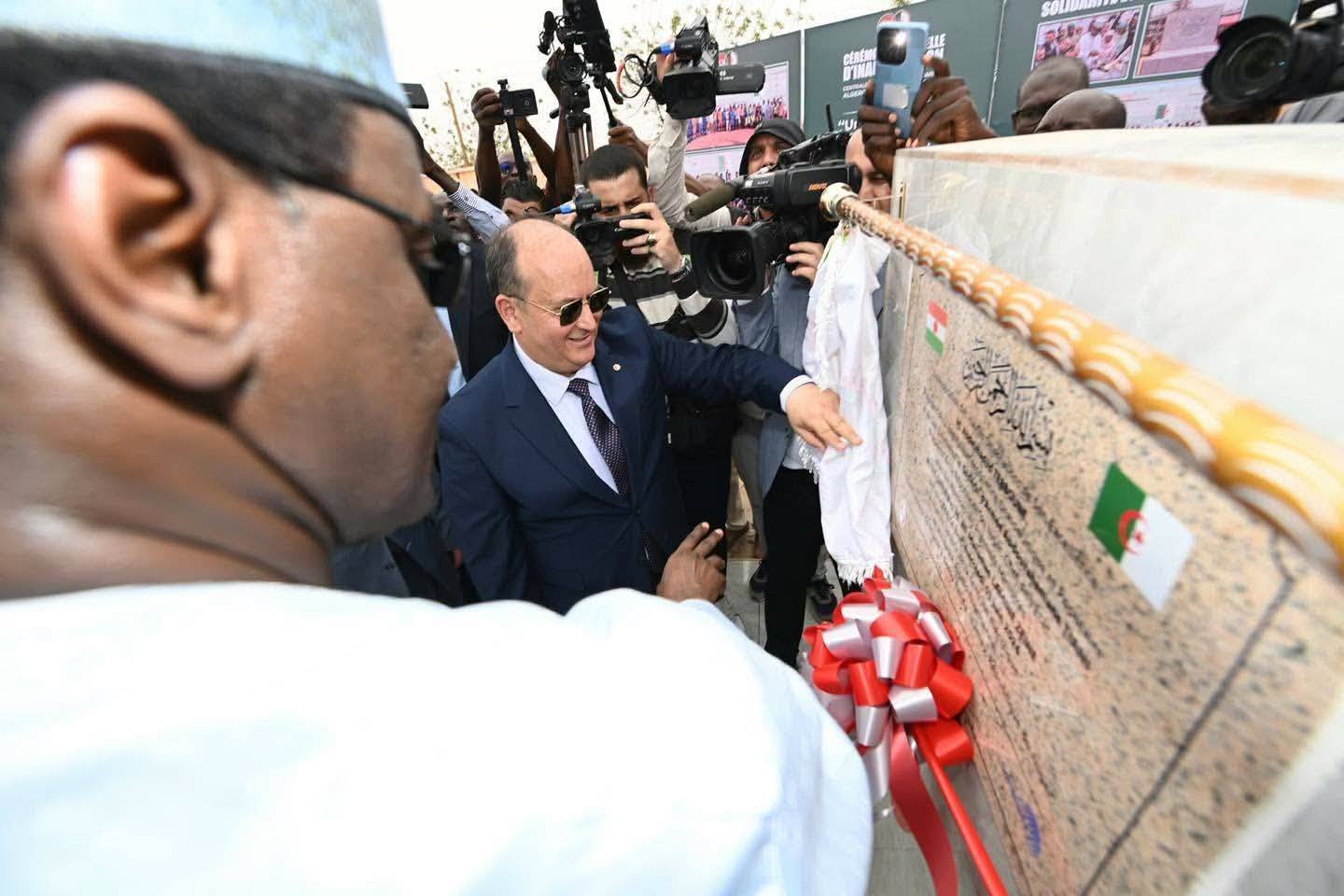
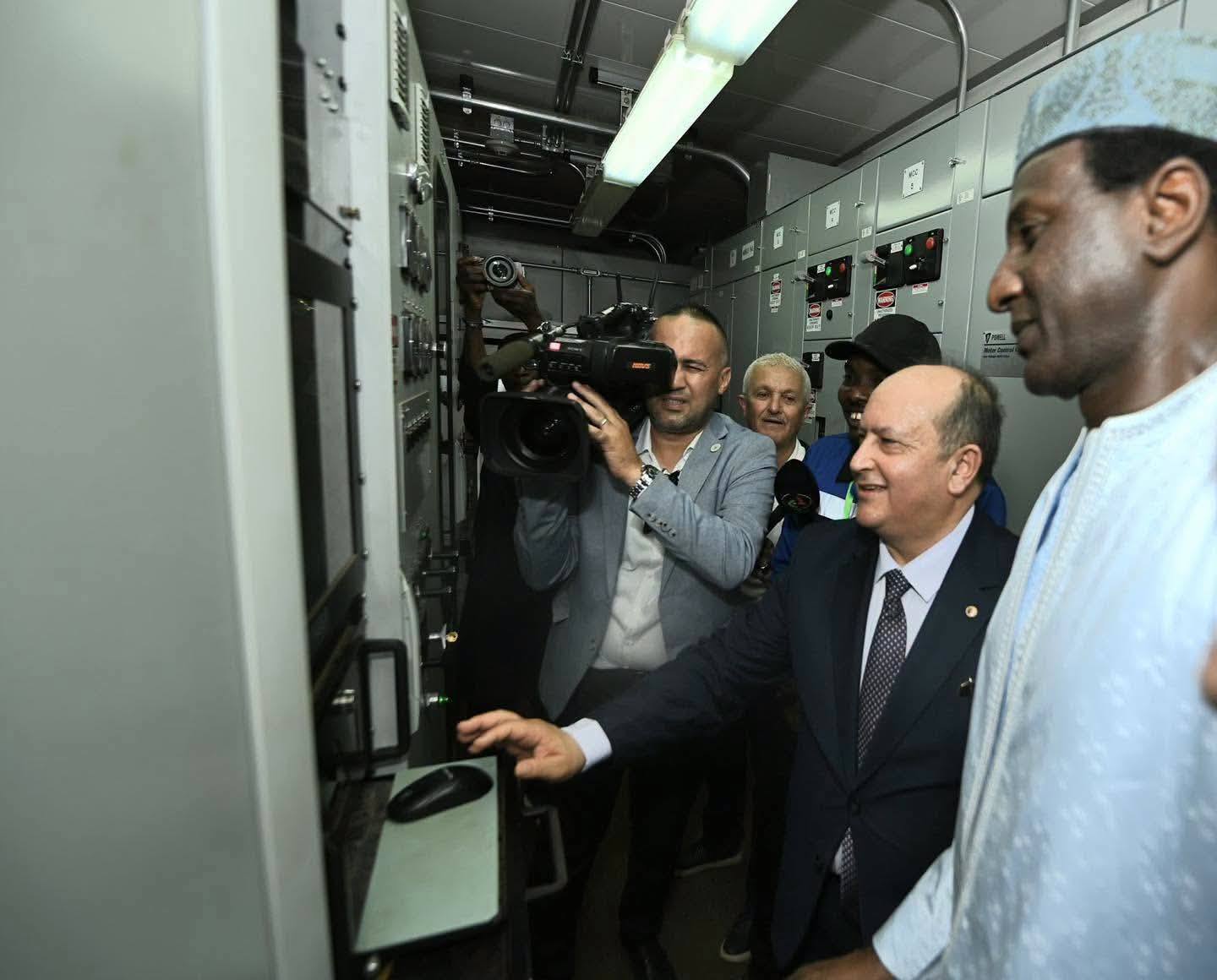
On an official visit to Niger on June 3, 2026, Algerian Prime Minister Sami Grieb and his Nigerien counterpart, Ali Mahaman Lamine Zeine, inaugurated a 40-megawatt power plant generously provided by Algeria. This initiative marks the second high-level diplomatic engagement between the two nations in recent months, underscoring the deepening bonds between Algiers and Niamey.
40 MW injection: a lifeline for Niger’s energy crisis
For Niger, grappling with chronic power shortages and a pressing need to modernize its energy infrastructure, Algeria’s gift arrives as a critical intervention. The newly inaugurated 40 MW plant is expected to significantly alleviate frequent blackouts that have plagued businesses and households in the Niamey region, where daily life has been disrupted by unreliable electricity supply.
This strategic donation reflects Algeria’s commitment to addressing Niger’s energy vulnerabilities through direct bilateral cooperation, bypassing the complexities of multilateral frameworks. The move also aligns with Niamey’s broader efforts to secure reliable energy sources amid ongoing economic restructuring.
« This power plant symbolizes the strong fraternal ties between our two nations and our shared vision for a sustainable, mutually beneficial partnership, » remarked a senior official during the ribbon-cutting ceremony.
Algeria’s strategic pivot toward Niamey
Sami Grieb’s second visit to Niger in a short span highlights the revitalized Algerian-Nigerien axis, even as Niger redefines its regional alliances under the Alliance of Sahel States (AES). Algiers has chosen to deepen its direct engagement with Niamey, reinforcing bilateral channels amid shifting geopolitical dynamics in the Sahel.
By investing in critical sectors such as energy and hydrocarbons, Algeria is reasserting its influence in the region, demonstrating resilience in maintaining key partnerships despite diplomatic challenges elsewhere in the Sahel. This partnership with Niger serves as a testament to Algeria’s enduring role in shaping the subregion’s economic and energy landscape.
For Niger, this collaboration presents an opportunity to enhance its economic sovereignty by strengthening foundational infrastructure at a time when the country is recalibrating its diplomatic and trade relationships across West Africa. The energy partnership with Algeria complements Niamey’s broader strategy to reduce dependence on external energy suppliers and foster self-reliance.
As both nations deepen their cooperation, this landmark project underscores a growing trend: pragmatic, results-driven partnerships are becoming the cornerstone of economic resilience in the Sahel. Algeria and Niger are leading by example, proving that targeted investments in energy security can yield tangible dividends for regional stability and development.