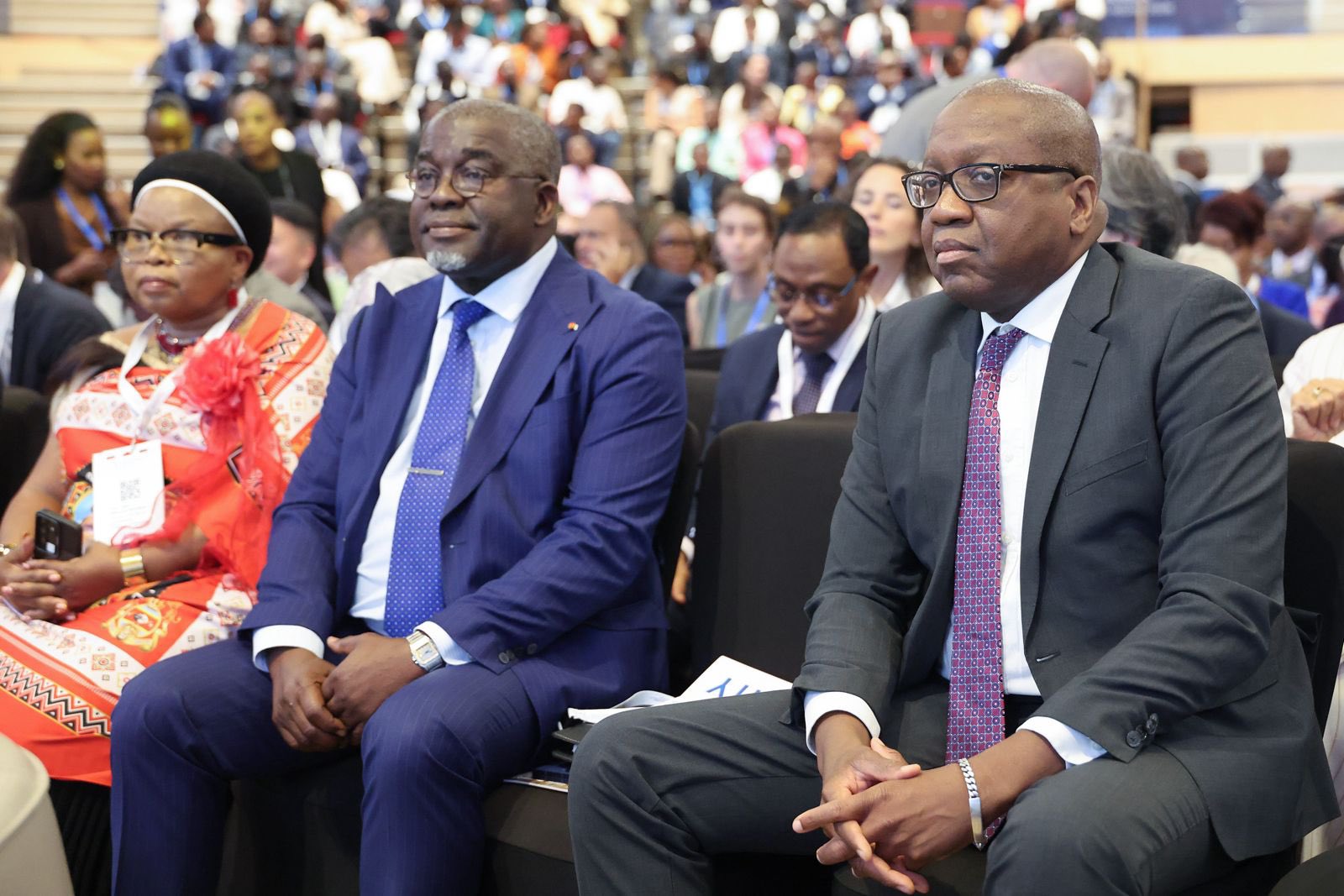
Kigali, May 20, 2026 — The hallowed halls of the Kigali Convention Centre buzzed with urgency and ambition on May 19 as leaders, nuclear energy experts, investors, and international partners convened for the second edition of the Nuclear Energy Innovation Summit for Africa (NEISA 2026). The gathering underscored a growing continental resolve to reshape Africa’s energy future, moving beyond crisis management to strategic long-term investments.
Among the distinguished attendees, Faure Essozimna Gnassingbé, President of Togo, emerged as a vocal advocate for energy sovereignty. His delegation delivered a compelling case: Africa must stop merely reacting to energy shortages and instead prioritize technologies that will fuel tomorrow’s economic transformation.
Gnassingbé emphasized that African nations need to proactively address the energy demands of industrialization, population growth, and digital economies. The summit’s technical and diplomatic exchanges revealed a shared continental conviction: without reliable, cost-effective, and sustainable energy, Africa’s industrial ambitions will remain stifled.
Nuclear energy: Africa’s next frontier
At NEISA 2026, civil nuclear energy took center stage as a pivotal solution. Once viewed as unattainable due to financial and technical hurdles, nuclear power is now being reevaluated as a cornerstone of Africa’s energy strategy.
Participants highlighted that the conversation has shifted from mere electricity generation to broader imperatives: energy sovereignty, industrial competitiveness, and long-term security. Togo’s stance aligns with this vision, advocating for innovative partnerships, energy diversification, and stronger regional collaboration.
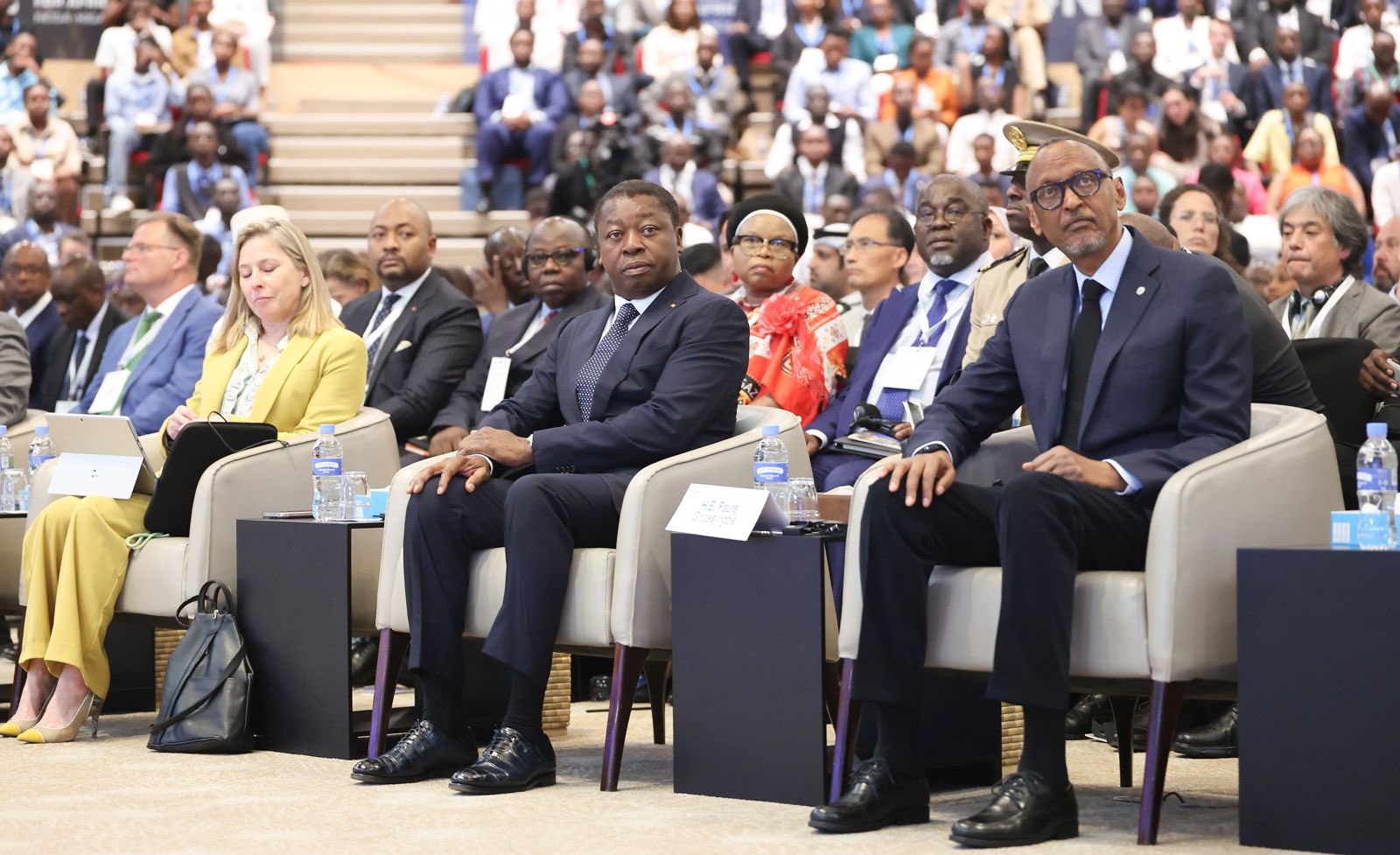
Togo’s blueprint for energy independence
Gnassingbé’s advocacy in Kigali reflects a broader strategy: positioning energy access as a catalyst for economic transformation. Togo is championing international collaborations that deliver technical expertise, funding, and technological innovation.
The summit’s agenda extended beyond nuclear power, covering smart grid infrastructure, energy transition financing, and local skill development — all critical for African economies facing soaring energy demand. These discussions underscored the continent’s commitment to shaping its own energy destiny in a rapidly evolving technological landscape.
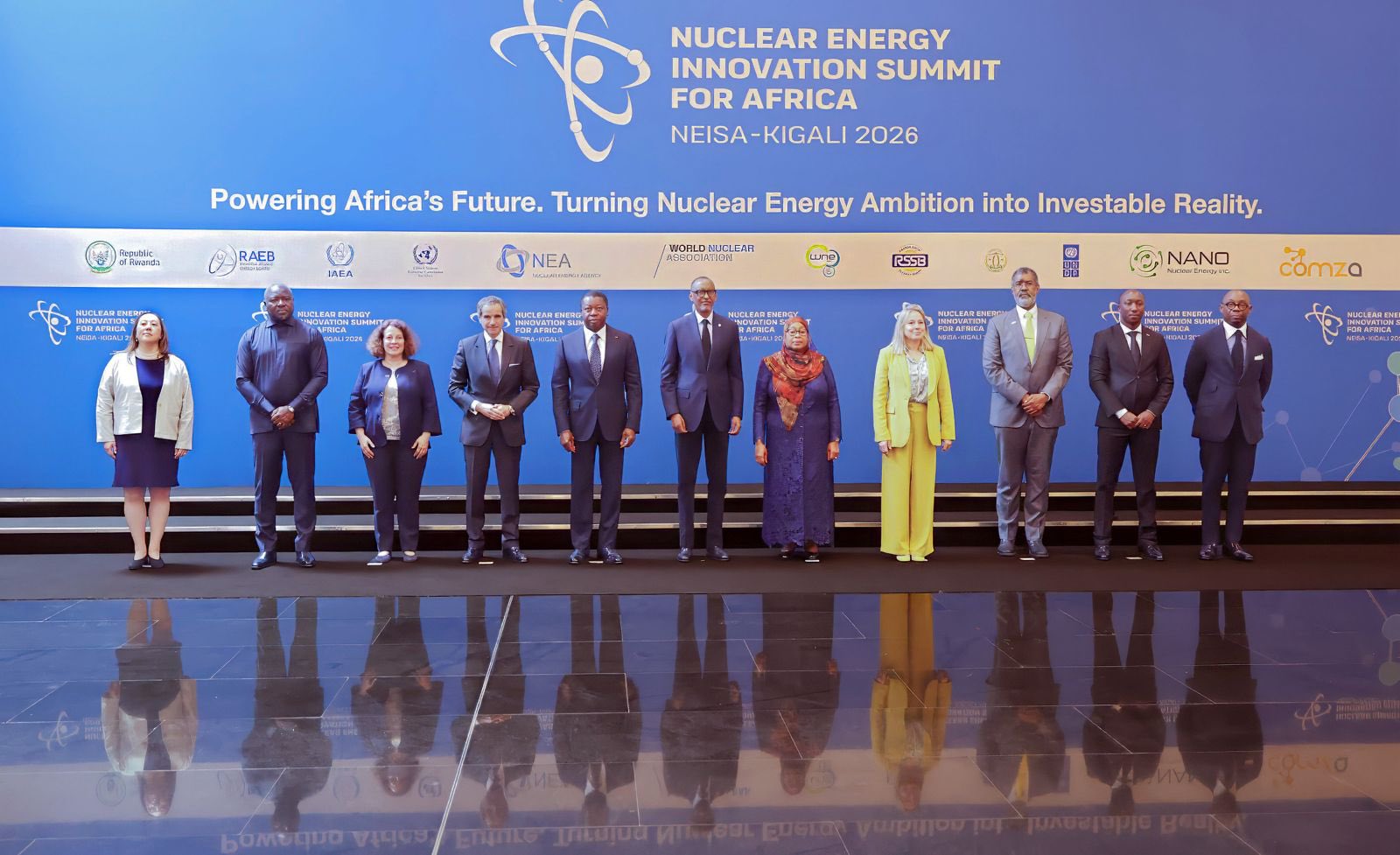
Kigali 2026: a continental call to action
The NEISA 2026 summit sent a clear message: Africa is no longer waiting for solutions — it is designing them. Leaders in Kigali framed energy as the backbone of future competitiveness, advocating for investments that transcend short-term fixes.
Togo’s active participation symbolized this shift, showcasing a commitment to energy autonomy, regional cooperation, and technological openness. The summit marked a turning point: Africa is taking charge of its energy narrative, forging its own path toward sovereignty and sustainability.